
Holigarna arnottiana
Holigarna arnottiana
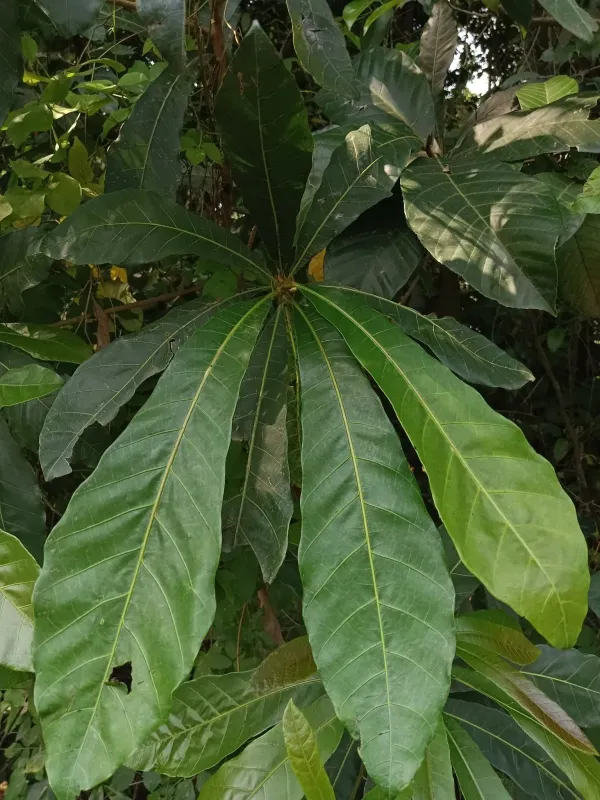
Description
Growing requirements
Holigarna arnottiana is a perennial tropical tree species belonging to the Anacardiaceae family. It is recognized for its significant size and dense, evergreen canopy, which is typical for the flora of the Western Ghats in India.
The plant thrives in regions with high precipitation and consistent tropical temperatures. It is well-adapted to the humid microclimate of dense evergreen forests, where it occupies a dominant position in the forest structure.
In terms of soil requirements, this culture prefers deep, well-drained, and nutrient-rich loams. High organic matter content is essential for sustaining its rapid growth and ensuring the development of a healthy root system.
When establishing plantations, it is crucial to provide adequate shelter from strong winds and maintain constant soil moisture levels. The species is highly responsive to the presence of mulch, which mimics its natural forest floor habitat.
Agronomic management must account for the caustic nature of the plant sap. Workers should be equipped with protective gear to prevent skin irritation and allergic reactions, as the tree contains compounds common to many members of its family.
Yield
The primary economic value of Holigarna arnottiana lies in the resin extracted from its bark. This resin is widely used locally as a high-quality, water-resistant lacquer for coating traditional boats and wooden structures.
The timber obtained from the tree is durable and finds application in light construction and carpentry. Proper seasoning is necessary to ensure the longevity of the wood and to prevent cracking in diverse climatic conditions.
The fruit of the tree is a secondary source of raw material, often processed to extract oils used in industrial applications. Careful harvesting methods are required to maximize yield without causing long-term damage to the tree's health.
Research is currently exploring the therapeutic potential of plant extracts. Various parts of the tree contain bioactive substances with potential antioxidant properties, suggesting future value in the pharmaceutical industry.
Systematic cultivation on a plantation scale is essential for meeting market demand while ensuring the conservation of wild populations. Managed growth allows for a standardized quality of resin and wood, supporting rural livelihoods.
Main diseases and pests
The most significant threat to Holigarna arnottiana in cultivation is soil-borne pathogens. Excessive moisture combined with poor drainage creates a favorable environment for root rot, which is a major cause of seedling failure.
Wood-boring insects represent a persistent threat to mature specimens. These pests can severely compromise the structural integrity of the trunk, making preventive monitoring and selective pruning essential agricultural practices.
Climate change and habitat fragmentation pose long-term risks to the species. Alterations in rainfall patterns can disrupt flowering cycles, directly impacting fruit production and the natural regeneration of the species in its native range.
Integrated Pest Management (IPM) is highly recommended for this culture. By utilizing biological controls and maintaining optimal soil health, farmers can reduce the reliance on harsh chemicals that may disrupt local biodiversity.
Mechanical damage to the bark must be strictly avoided during cultivation. Since the tree's sap acts as a chemical defense, any rupture to the bark allows pathogens to bypass the plant's natural immunity, leading to localized infections.