
Holboellia coriacea
Holboellia coriacea
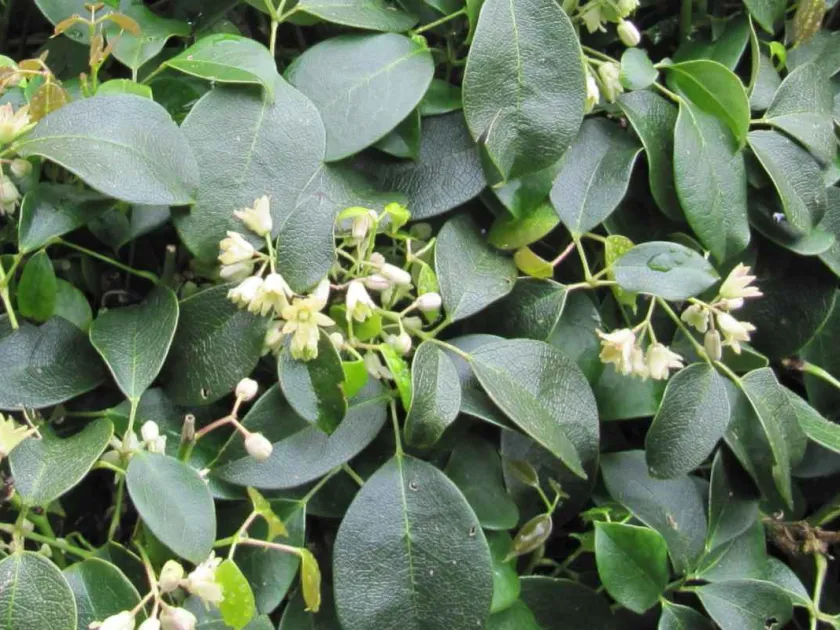
Description
Sowing dates
Propagation of Holboellia coriacea is typically achieved through seeds or vegetative methods such as cuttings. Seeds should be sown immediately after harvest in a well-drained substrate, often requiring a period of cold stratification to enhance germination rates.
For cuttings, semi-hardwood stems are selected during the summer months. The ideal time for planting out into the open garden is in the spring, once the threat of late-season frosts has passed, allowing the plant sufficient time to establish.
It is essential to prepare the site in advance, ensuring that sturdy supports are in place for the vine to climb. Holboellia is a vigorous grower, so spacing should be at least 2-3 meters between individual plants to prevent overcrowding.
Young plants require consistent watering and protection from intense midday sun during their first year. Maintaining stable soil moisture is critical during the initial developmental stages to support strong root growth.
Once established, the plant becomes more resilient; however, applying balanced organic fertilizers at the beginning of the growing season will promote faster leaf development and overall health.
Growing requirements
Holboellia coriacea belongs to the Lardizabalaceae family and is an evergreen woody vine. It originates from the mountain forests of Central China, where it thrives in conditions of moderate humidity and temperate fluctuations.
The plant prefers partial shade or sheltered spots away from direct sunlight, though it can adapt to brighter areas if soil moisture is maintained. Fertile, loamy, or sandy soils with a neutral to slightly acidic pH are ideal.
A primary requirement is a strong support system, as the vine relies on its winding stems to achieve vertical height. The species is relatively frost-hardy, surviving temperatures down to -10…-15°C, but may require protection in northern climates.
Excessive winter moisture is detrimental, making good drainage a mandatory requirement for this species. Waterlogged soil can lead to root rot, which is a common cause of death for evergreen vines in damp conditions.
In arid regions, applying mulch around the base of the vine helps conserve moisture and maintain a stable root temperature, which is highly beneficial for the vine's long-term health and vigor.
Yield
Holboellia is valued as both an ornamental and a fruit-bearing plant, although crop yields are highly dependent on specific growing conditions. The fruits are elongated berries containing a sweet, succulent pulp.
Fruit maturity is indicated by a change in skin color and a slight softening. The taste is often compared to a mix of banana and melon, making them an interesting, albeit rare, addition to fresh fruit salads or desserts.
To ensure a consistent crop, it is recommended to plant multiple specimens together to facilitate cross-pollination. This practice significantly increases the rate of fruit set on the vines.
In open garden settings within temperate regions, fruiting may be sporadic due to potential damage to flower buds by late spring frosts. Typically, the vine begins to produce fruit 3-5 years after planting in a permanent location.
Beyond its culinary potential, the plant is widely used in landscape design for covering trellises, fences, and walls, where its glossy, evergreen foliage provides year-round aesthetic appeal.
Main diseases and pests
Holboellia coriacea is notably resistant to most common plant diseases, making it an excellent candidate for low-maintenance or organic gardens. Most issues usually stem from poor cultivation practices rather than pests.
Spider mites are the most common pest, especially in hot, dry conditions. Regular misting of the foliage acts as an effective preventive measure to deter these pests from colonizing the vine.
Powdery mildew can occasionally affect the vine if there is poor air circulation combined with high humidity. Regular sanitary pruning to thin out the canopy is recommended to maintain proper airflow and prevent fungal development.
Root rot is the most serious threat, occurring almost exclusively in heavy, waterlogged soils. Using well-draining, aerated potting or garden soil is the best defense against these lethal pathogens.
Aphids may occasionally appear on tender new growth; however, these infestations are rarely severe and can usually be managed with gentle water sprays or eco-friendly insecticidal soaps.
Harvesting
The harvest of Holboellia fruits takes place in late autumn, just before the onset of persistent frosts. The berries are ready to be picked when they detach easily from the stem with a gentle twist.
Timing is crucial, as the fruits are sensitive to freezing temperatures and can quickly lose their quality if left on the vine too long. They have a short shelf life and are best consumed shortly after harvest.
Care should be taken during harvesting to avoid damaging the vine's delicate stems, which are essential for continued vegetative growth. The use of sharp, sanitized garden shears is recommended for a clean cut.
Following the harvest, a light pruning can be conducted to remove any dead or crossing branches. This keeps the plant tidy and prepares it for the dormant winter period.
Fruits should be stored in a cool, dark environment at temperatures around +5°C, where they can remain fresh for a few days before being processed or eaten.