
Holboellia angustifolia
Holboellia angustifolia
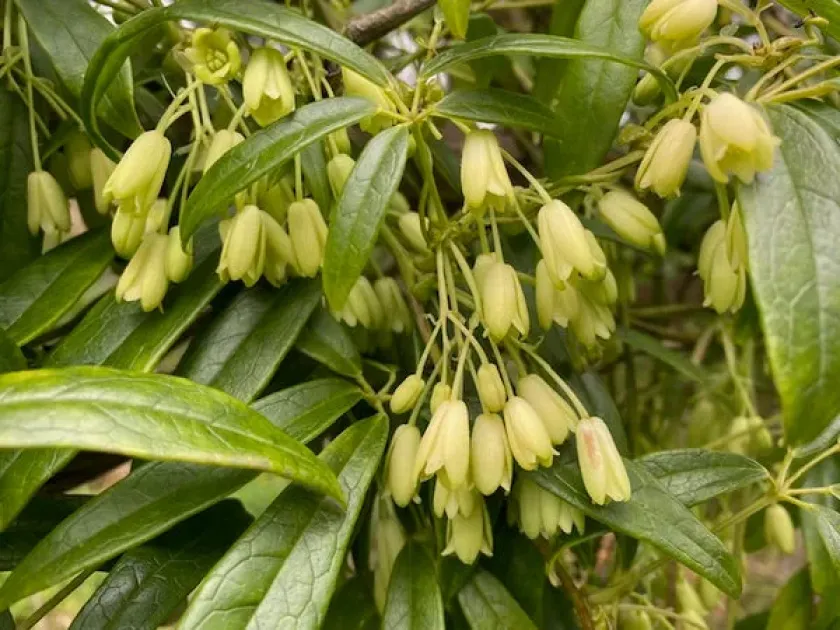
Description
Sowing dates
Holboellia angustifolia is typically propagated through seeds or cuttings, requiring careful handling to ensure successful establishment.
Seeds need cold stratification for approximately two to three months at temperatures near freezing to break dormancy and trigger germination.
Sowing should be performed in a well-draining, lightweight medium, maintaining a constant temperature of 18–22 degrees Celsius in a greenhouse environment.
Stem cuttings, taken from semi-ripe wood during late summer, are an effective way to clone parent plants and maintain consistent growth traits.
Young seedlings should be kept in protected conditions during their first growing season to ensure deep root development before transplanting.
Growing requirements
This evergreen woody vine belongs to the Lardizabalaceae family and is native to the temperate and subtropical regions of China.
The plant thrives in partial shade with protection from harsh winds, which can easily damage its glossy, narrow foliage.
Fertile, humus-rich soil with excellent drainage is essential for healthy growth, as the plant is sensitive to waterlogged conditions.
Providing sturdy vertical support structures like trellises or arbors is crucial for the vine to climb and spread effectively.
Consistent irrigation is required throughout the growing season, particularly in arid climates, to maintain the plant's evergreen vigor.
Yield
Holboellia angustifolia is primarily valued for its ornamental appeal, providing dense vertical coverage and fragrant flowers in the spring.
The plant produces edible, elongated fruits that are sweet and aromatic, often enjoyed for their unique taste and texture.
Yield levels depend significantly on cross-pollination, so planting multiple individuals is highly recommended for higher fruit production.
The plant starts bearing fruit once it has established a substantial vegetative structure, usually a few years after planting.
While not a major commercial crop, it is becoming increasingly popular among specialty gardeners and permaculture enthusiasts for its utility.
Main diseases and pests
The main pests affecting this vine include spider mites and aphids, which can cause leaf yellowing and reduced vigor in young plants.
Fungal infections, such as leaf spot or powdery mildew, may occur if the planting area lacks proper air circulation and humidity control.
Applying organic pesticides and fungicides as a preventive measure is recommended during periods of high humidity or heat stress.
Root rot is a significant risk if the soil remains excessively wet; therefore, maintaining proper soil structure is the best defensive measure.
Regular monitoring of the foliage and stems helps in the early detection and management of potential pest or disease outbreaks.
Harvesting
Harvesting should be timed for when the fruits reach full maturity, indicated by a change in skin color and a soft texture.
Fruits are best picked by hand or with clean pruners to avoid damaging the vine's stems, ensuring long-term health for future harvests.
Since the fruits have a relatively short shelf life, they should be consumed or processed shortly after being picked from the vine.
Harvesting is often done in multiple stages throughout the autumn season, as the fruits do not always ripen simultaneously.
Post-harvest care involves clearing away any dead or damaged foliage to prepare the plant for the upcoming dormant winter period.