
Hirtella zanzibarica
Hirtella zanzibarica
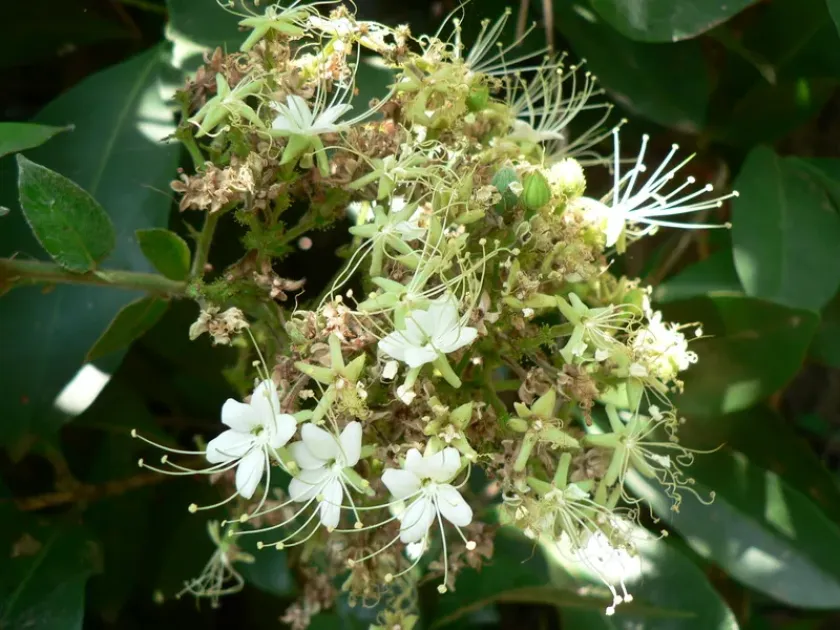
Description
Growing requirements
Hirtella zanzibarica is a perennial woody plant species belonging to the Chrysobalanaceae family. Originating from the tropical regions of East Africa, specifically linked to the Zanzibar archipelago and mainland coastal areas, it thrives in dense, humid environments that characterize tropical rain forests.
The crop requires a strictly tropical climate to achieve optimal growth, defined by consistently high temperatures and high humidity levels throughout the year. It possesses a low tolerance for frost and cold air currents, which restricts its cultivation range to tropical and subtropical latitudes.
In terms of soil requirements, the species favors deep, well-drained, and nutrient-rich soils. It flourishes in substrates that resemble forest soils, maintaining a balance of moisture retention without the risk of waterlogging, which could severely damage the root development of the young plants.
Agricultural management for this species focuses on maintaining consistent soil moisture levels and providing protection from direct, intense midday sun during the initial phases of establishment. Proper canopy management is essential to ensure adequate air circulation and light penetration for the lower branches.
Economic and agricultural usage of Hirtella zanzibarica remains specialized, often integrated into local agroforestry systems. The wood is occasionally valued for its durability, and the plant contributes to the local ecosystem services by supporting native biodiversity within its natural habitat.