
Himalayacalamus hookerianus
Himalayacalamus hookerianus
Description
Growing requirements
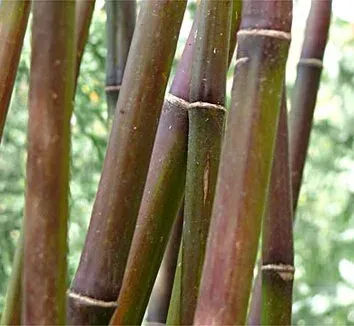
Himalayacalamus hookerianus is a perennial evergreen plant belonging to the grass family (Poaceae). This clumping bamboo species is highly regarded for its aesthetic appeal, specifically its vibrant, often bluish or glaucous-hued culms that develop as the plant matures.
Originating from the high-altitude regions of the Himalayas, including parts of India, Nepal, and Bhutan, this plant thrives in cool and moist environments. It prefers locations protected from harsh winds and intense midday sun, which can scorch the delicate foliage.
Successful cultivation requires fertile, well-draining soil with a neutral to slightly acidic pH. It is essential to prevent waterlogging, as the root system is susceptible to decay if kept in constantly sodden ground. A reliable drainage system is critical for health.
The plant performs best in moderate temperature ranges, typically between +10 °C and +25 °C. While it can withstand light frosts down to -5…-8 °C, cold protection and heavy mulching around the base are necessary in areas where temperatures drop consistently below freezing.
Cultural practices include regular irrigation during active growth periods and nitrogen-rich fertilization in the spring to encourage robust development. During hot summer months, misting the canopy can help maintain the humidity levels required to keep the foliage lush and vibrant.
Yield
The primary use of Himalayacalamus hookerianus is in ornamental horticulture and landscaping. Because of its graceful, arching form and distinct culm coloration, it is an ideal specimen for decorative hedges or as a feature plant in cool-climate gardens.
In its native range, the culms are utilized for creating artisanal items, such as lightweight furniture, basketry, and traditional fishing gear. The plant provides a sustainable source of high-quality raw material for those who appreciate natural and durable fibers.
Yield in a gardening context refers to the production of new canes. With proper care and healthy soil, the plant produces a steady supply of new shoots each year. Selectively harvesting older culms encourages the plant to maintain its structural vigor and beauty.
The growth cycle to reach maturity for harvesting varies depending on local climate but generally takes several years. Regular pruning is a key component to managing the plant's shape and ensuring that new growth receives sufficient light and airflow.
Unlike invasive running bamboo species, this clumping bamboo grows in manageable clusters. This trait makes it highly practical for private estates and gardens, as it requires minimal root control measures compared to other bamboo varieties.
Main diseases and pests
Fungal pathogens represent the most significant threat to Himalayacalamus hookerianus, particularly in stagnant or excessively humid conditions. Leaf spots and stem discoloration are common indicators that the plant is suffering from inadequate ventilation.
Pests such as spider mites and aphids are known to target the foliage, particularly during dry spells. These pests draw nutrients from the leaves, causing chlorosis and weakness. Management involves monitoring the underside of the leaves and applying appropriate systemic pesticides.
Over-irrigation is a frequent cause of root rot, a condition that is difficult to reverse once established. Prevention is rooted in good soil management and ensuring that the plant is never left sitting in standing water after rainfall or irrigation.
Young shoots are sometimes targeted by small mammals or insects, which can lead to physical deformity of the canes. Regular inspections during the spring growth flush are necessary to identify and mitigate these risks early.
- Thinning out crowded canes to improve light penetration.
- Applying organic mulch to regulate root zone temperature.
- Monitoring for early signs of mite infestation during summer.