
Hieronyma oblonga
Hieronyma oblonga
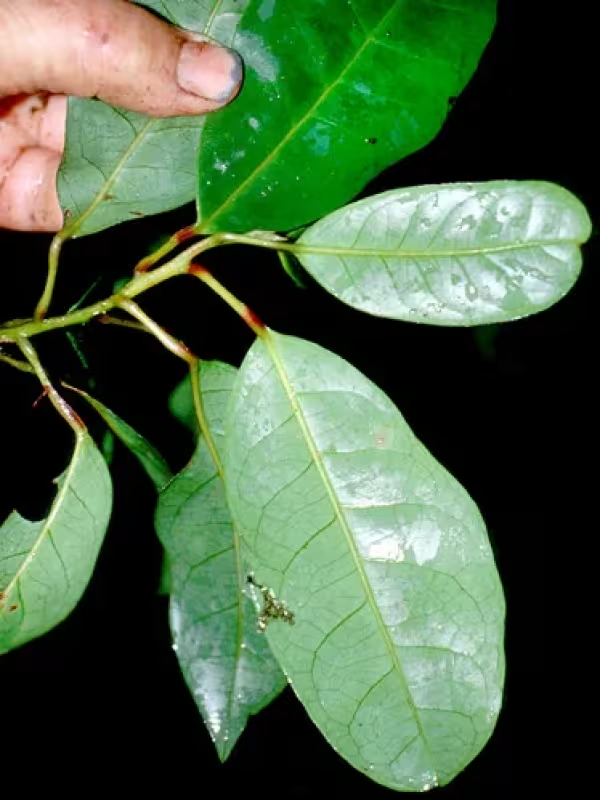
Description
Growing requirements
Hieronyma oblonga is a prominent tropical evergreen tree belonging to the Phyllanthaceae family. Known for its robust growth, this species thrives in humid tropical forest environments, reaching significant heights in optimal conditions.
The tree requires a warm and consistent climate to prosper, with temperatures typically ranging between 22 and 28 degrees Celsius. It is sensitive to frost and extreme cold, which restricts its cultivation range to tropical and subtropical zones of Central and South America.
Regarding soil conditions, this species prefers deep, fertile, and well-drained loams. It does not tolerate waterlogging, as proper oxygen supply to the root system is essential for maintaining healthy growth and preventing mortality.
Hieronyma oblonga is primarily valued in the forestry sector for its high-density, durable timber, which is often used in construction and cabinetry. Beyond its industrial use, parts of the plant, including the bark and fruits, have historical applications in traditional herbal practices.
Cultivation practices involve selecting appropriate sites with sufficient space for canopy development. Regular pruning during the early years helps establish a strong central leader and improves the overall structural integrity of the tree.
Main diseases and pests
Fungal pathogens associated with high-humidity environments represent the most significant disease threats to this species. Promoting air circulation within the plantation canopy is a key preventive measure against leaf spot and decay.
Stem-boring insects can cause extensive damage to timber quality if left unchecked. Integrated pest management strategies, such as biological control and habitat maintenance, are often employed to protect the wood from these pests.
Mechanical damage caused by severe weather events, such as high-velocity winds, requires careful management of stand density. Properly managed plantations are generally more resilient to such disturbances due to improved structural stability.
Competition from invasive weeds during the establishment phase is a critical challenge. Applying mulching and regular weed control around the base of the saplings significantly increases survival rates and promotes vigorous growth.
Nutrient deficiencies, while less common in wild forests, can affect commercial plantation growth. Soil testing and the application of balanced organic amendments ensure that trees reach their full growth potential within the expected cycle.