
Hieronyma alchorneoides
Hieronyma alchorneoides
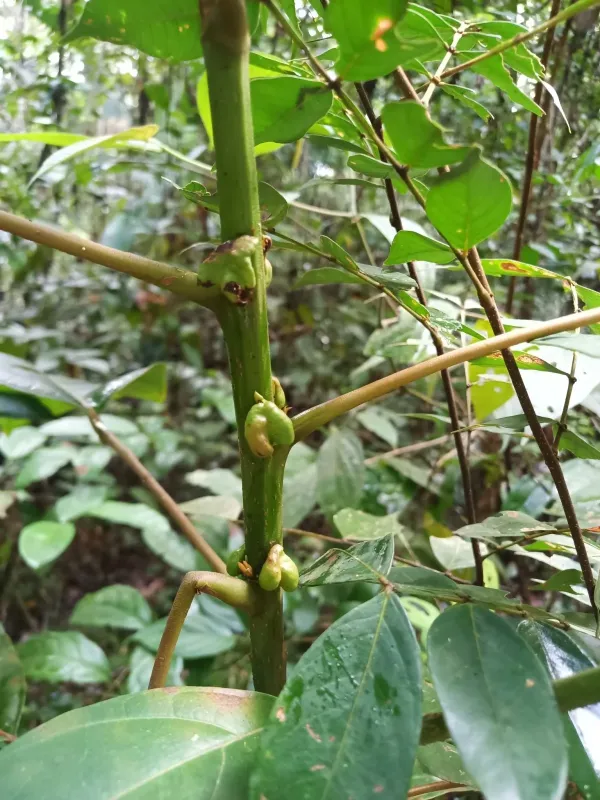
Description
Sowing dates
Propagation of Hieronyma alchorneoides is primarily carried out through seeds in nursery settings. Seeds are collected from mature fruits and must be thoroughly cleaned of pulp to prevent fungal infections during the germination process.
Sowing should take place in prepared containers using a light, well-draining substrate rich in organic matter. The optimal planting depth is between 1 and 2 cm, ensuring adequate oxygen availability for successful sprout emergence.
Seedlings require partial shade during the first few weeks of life to protect them from intense direct sunlight. Irrigation must be consistent, ensuring the soil remains moist but avoiding waterlogged conditions which are detrimental to the roots.
Transplanting young saplings to their permanent field location is best performed at the beginning of the rainy season. This allows the root system to establish itself effectively before the onset of any potential dry periods.
Planting density depends on the specific forestry objectives. For timber plantations, a spacing of 3 to 4 meters between trees is generally recommended to provide enough room for canopy development.
Growing requirements
Hieronyma alchorneoides is a member of the Phyllanthaceae family, native to the tropical rainforests of Central and South America. The species thrives in regions with annual rainfall ranging from 2,000 to 4,000 mm.
The crop requires deep, well-draining soils with high organic content for optimal growth. It is sensitive to soil compaction and waterlogging, making proper site selection and soil assessment essential before plantation establishment.
Although the species is photophilous (light-loving), young trees can tolerate moderate shading. Mature specimens grow to heights of 30–40 meters, developing a dense, broad crown that requires significant space to maintain high photosynthetic activity.
The ideal temperature range for this species is between +22°C and +28°C. Being a tropical plant, it does not tolerate frost or extreme temperature fluctuations, which restricts its cultivation range to tropical climates.
The tree exhibits rapid growth rates during its early years, positioning it as an excellent candidate for reforestation projects and the rehabilitation of degraded tropical lands.
Yield
The primary economic focus of Hieronyma alchorneoides cultivation is the production of high-quality timber. Harvest cycles in managed plantations typically range from 25 to 40 years, depending on site fertility and silvicultural management.
The wood is highly valued for its durability, hardness, and natural resistance to decay and insects. It is extensively used in high-end furniture manufacturing, construction, heavy flooring, and various outdoor applications.
Beyond timber production, the tree's fruits serve as a critical food source for forest wildlife, particularly avian species. This enhances local biodiversity and supports ecosystem services within plantation areas.
When integrated into agroforestry systems, the crop demonstrates efficient nutrient cycling, utilizing nitrogen and minerals from forest litter to maintain steady biomass production with minimal synthetic fertilizer input.
Yield metrics for Hieronyma alchorneoides consistently outperform many native hardwood species under sustainable management practices, ensuring strong economic returns for forest investors.
Main diseases and pests
The primary threats to young saplings include fungal diseases caused by excessive moisture and poor air circulation. Foliar leaf spots can significantly retard growth if not addressed through sanitation and proper spacing.
Insect pests, such as defoliators and wood-boring beetles, can damage tender shoots. Regular monitoring of the plantation is required to detect pest outbreaks early and implement biological control measures when necessary.
Competition from aggressive weeds during the first years of growth is a major obstacle. Maintaining clean, weed-free zones around the saplings is vital until the trees reach a height of at least 2–3 meters.
Physical damage to the bark caused by rodents or hoofed animals provides entry points for pathogens. Protective mesh or physical barriers are often necessary to safeguard young trees in susceptible areas.
Poor site drainage remains the most significant threat to plantation health, frequently leading to root rot. Prevention relies on proper land preparation and the establishment of adequate drainage channels prior to planting.