
Heterophyllaea pustulata
Heterophyllaea pustulata
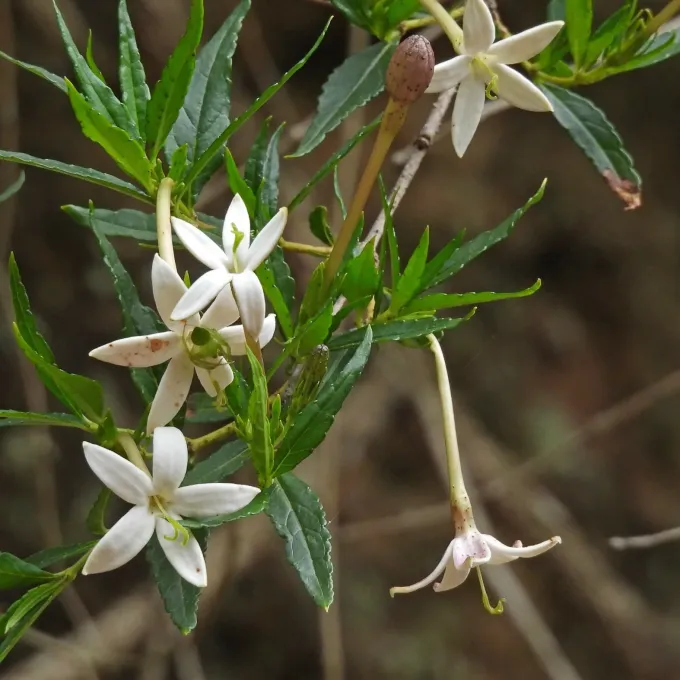
Description
Growing requirements
Heterophyllaea pustulata is a woody shrub belonging to the Rubiaceae family, native to the high-altitude regions of the Andes. This species is well-adapted to harsh environmental conditions, thriving in rocky, high-exposure terrains where few other crops can survive.
The plant requires well-drained, nutrient-poor soil with a neutral pH level. Proper aeration of the root system is the most critical factor for healthy growth, as this species is highly susceptible to waterlogging and related physiological stresses.
Climate requirements include high solar radiation and significant temperature variations between day and night. These environmental stressors are essential for the plant to accumulate its unique secondary metabolites, specifically anthraquinones, which are highly valued in the industry.
Agricultural management should prioritize avoiding excessive nitrogen fertilization, which can stimulate weak vegetative growth and decrease the concentration of active medicinal compounds. Slow-release mineral fertilizers are preferred for this crop.
The main commercial application of Heterophyllaea pustulata is as a source of natural dyes and pharmaceutical precursors. The extraction of active substances from leaves and stems represents an important sector for specialized agricultural markets.
Main diseases and pests
The primary threats to Heterophyllaea pustulata cultivation include soil-borne pathogens, particularly fungi that thrive in improperly drained environments.
Fungal species such as Fusarium represent a major risk, potentially leading to widespread plant death if moisture levels are not strictly monitored.
While the plant's chemical profile generally deters most herbivores, some generalist insects may pose a threat during the initial growth stages.
Environmental stress, specifically prolonged cloud cover or extreme unseasonal humidity, can weaken the plant's natural resistance mechanisms.
Effective management strategies emphasize prevention through precise irrigation scheduling and the use of organic soil amendments to promote beneficial microflora.