
Heteropappus
Heteropappus
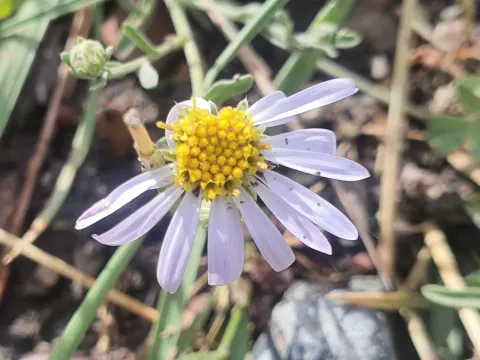
Heteropappus is a genus of flowering plants belonging to the Asteraceae family. Known for its daisy-like flowers, it is widely recognized for its high adaptability to temperate climates and its aesthetic value in ornamental horticulture.
What the section contains

Heteropappus
Seeds should be sown in early spring after the risk of frost has passed. For optimal germination, place seeds in a well-draining seed-starting mix and cover them lightly, as light is beneficial for their development.
If starting indoors, use individual cells to reduce root disturbance during transplanting. Proper spacing is critical to ensure that seedlings have enough air circulation, which prevents fungal diseases in the early stages.
Direct seeding in the field requires a well-prepared seedbed free of weeds. Ensure the soil is fine-textured to promote good seed-to-soil contact, which is essential for uniform emergence in open field conditions.
Monitor moisture levels consistently during the germination period. While seedlings require consistent moisture, avoid waterlogging to protect them from damping-off and other early-stage infections.
Heteropappus plants thrive in full sun conditions, which encourage compact growth and abundant flower production. Plants grown in partial shade may become leggy and produce fewer blooms.
Soil requirements focus on excellent drainage. A neutral or slightly alkaline soil pH is preferred. In heavy clay soils, the addition of organic matter or sand is recommended to improve the drainage profile.
Irrigation should be managed carefully. Once established, Heteropappus is relatively drought-tolerant, but supplemental water during dry spells will improve the longevity of the flowering period.
Fertilization with a balanced, slow-release fertilizer at the start of the season provides the necessary nutrients for growth. Avoid excessive nitrogen, which promotes vegetative growth at the expense of flower development.
Climatic adaptability is one of the key strengths of this genus. It is well-suited to regions with distinct seasons, as it can withstand moderate cold and transition effectively into the dormant period.
Fungal diseases like powdery mildew are the most common issue in humid or poorly ventilated environments. Regular monitoring of the foliage is necessary to detect early signs of white mycelial growth.
Root rot occurs if irrigation is excessive or if the site does not drain well. This is often the primary cause of plant failure in agricultural settings, emphasizing the need for proper site selection.
Pests such as aphids and spider mites may target new growth during periods of stress. Integrated pest management, including the use of neem oil or targeted insecticides, can help manage these populations.
Sanitation practices are essential for disease prevention. Removing spent flowers and pruning dead foliage helps maintain the health of the plant throughout the growing season.
When using chemicals, ensure they are applied during the cooler parts of the day to avoid leaf burn. Always follow manufacturer guidelines for dosage to minimize the impact on beneficial insects.