
Heteropappus altaicus
Heteropappus altaicus
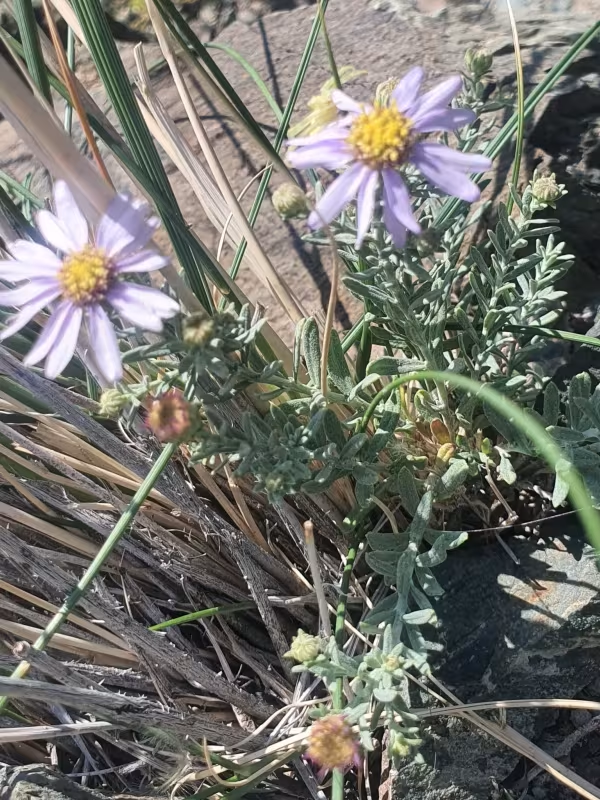
Description
Growing requirements
Heteropappus altaicus is a notable perennial herb belonging to the Asteraceae family. It is recognized for its rugged nature and its botanical adaptation to the harsh, high-altitude environments of the Altai region and Central Asia.
The plant originates from the mountainous steppes and rocky slopes of Siberia and Mongolia. Due to this origin, it has evolved to thrive in environments with significant diurnal temperature fluctuations and limited seasonal rainfall.
When cultivating this species, it is essential to provide well-drained, sandy, or stony soil. It performs poorly in heavy, waterlogged clay soils, which inhibit root respiration and lead to inevitable fungal degradation.
Sun exposure is a critical factor for the plant's structural integrity. It requires full sunlight to maintain a compact, bushy habit; otherwise, the plant tends to lose its decorative density and structural form.
This crop is highly valued in modern landscape design for its xeriscaping potential. It serves as an excellent ground cover for rock gardens, contributing to both soil stabilization and high-aesthetic value during its late-season flowering period.
Main diseases and pests
Heteropappus altaicus is generally robust, but like many members of the Asteraceae family, it can be susceptible to powdery mildew when air circulation is inadequate or humidity remains persistently high.
Root rot represents the primary agricultural threat to the crop. This condition is almost exclusively associated with poor drainage and excessive irrigation practices that saturate the root collar.
Pest pressures are generally low under optimal growing conditions. However, infestations of aphids or spider mites may occur during periods of prolonged heat, requiring cautious monitoring of the leaf undersides.
Competition from aggressive weeds is a primary concern during the establishment phase. Keeping the area free of invasive species ensures that the young plants have access to sufficient nutrients and sunlight.
Integrated pest management strategies focusing on physical removal and environmental control (such as adjusting watering schedules) are preferred over chemical interventions to maintain the plant's health and ecological balance.