
Heterochaenia rivalsii
Heterochaenia rivalsii
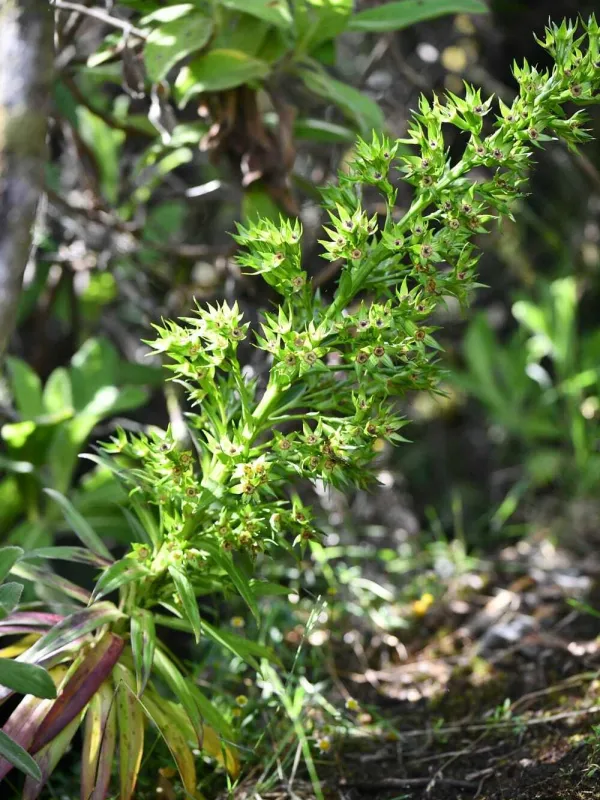
Description
Growing requirements
Heterochaenia rivalsii is a specialized plant species belonging to the Campanulaceae family. It is strictly endemic to the Mascarene island of Reunion, making it a subject of high botanical interest rather than industrial agriculture.
The plant exhibits specific shrub-like growth patterns adapted to the unique climatic conditions of its high-altitude and damp habitats. Its morphology is closely tied to its evolutionary development within the isolated ecosystems of the island.
Cultivation requirements for this species are extremely strict. It demands high ambient humidity, consistent moisture levels, and a soil profile rich in organic matter that mimics the mountainous forest soils of its origin.
Optimal growth is observed in stable, cool-to-temperate climates with excellent air circulation. The species is not suitable for traditional farming and is restricted to conservationist efforts or specialized botanical research.
Temperature management is crucial, as the plant does not tolerate extreme heat or frost. Precision in moisture control is required to prevent physiological distress in these rare specimens.
Main diseases and pests
The primary threat to the survival of Heterochaenia rivalsii is the encroachment of invasive plant species that compete for resources within its limited natural range on Reunion Island.
Environmental degradation, often driven by human activity, significantly reduces the viability of remaining populations, leaving the species in a precarious ecological position.
In a controlled environment, the species is susceptible to root pathogens, particularly various species of Phytophthora and Pythium, which thrive in poorly drained potting mixes.
Common horticultural pests such as spider mites, aphids, and mealybugs can pose a threat, especially when plants are stressed by inadequate environmental conditions.
Conservation strategies focus on mitigating these threats through habitat restoration and ex-situ cultivation in protected environments to prevent the permanent extinction of the species.