
Heterochaenia ensifolia
Heterochaenia ensifolia
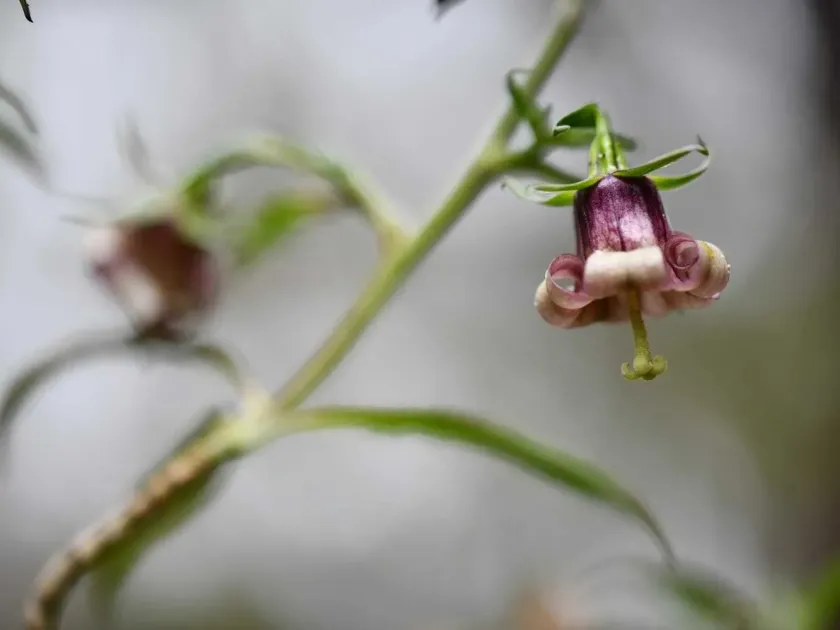
Description
Growing requirements
Heterochaenia ensifolia belongs to the Campanulaceae family. This species is endemic to the island of Réunion in the Indian Ocean, where it naturally occurs in specific high-altitude tropical forest environments.
The plant thrives in a humid tropical climate with moderate temperatures. In cultivation, it is essential to provide shade as the plant is highly sensitive to direct, intense sunlight which can scorch its leaves.
The growing substrate must ensure excellent drainage and aeration. Ideal conditions include loose, humus-rich acidic or slightly acidic soils that replicate the natural forest floor litter found in its native habitat.
Consistent moisture is vital for the crop, as the root system does not tolerate drought. However, water stagnation must be prevented at all costs, as it quickly leads to root rot and other moisture-related diseases.
When grown in greenhouses, maintaining high relative humidity (above 70%) is crucial. The plant struggles to adapt to dry indoor environments and requires constant monitoring of ambient conditions to prevent stress.
Main diseases and pests
The primary threats include root rot infections caused by Pythium and Phytophthora species. These pathogens proliferate rapidly in waterlogged soil, potentially destroying the root system within a short period.
Common pests such as spider mites and mealybugs can cause significant damage. These pests tend to flourish if the humidity levels drop or if there is insufficient ventilation in the growing area.
Preventive maintenance includes regular inspection of leaf axils and the use of biological control agents. Chemical treatments should be applied with extreme caution due to the plant's sensitivity to synthetic compounds.
Fungal leaf spot diseases may develop if there is poor air circulation around the plants. Proper spacing and consistent airflow in greenhouses are mandatory practices to ensure the long-term health of the crop.
Young plants are particularly vulnerable to gastropods such as slugs in outdoor or poorly sealed greenhouse conditions. Implementing barrier-based protection is necessary to avoid damage to the foliage and ensure growth.