
Heteranthelium piliferum
Heteranthelium piliferum
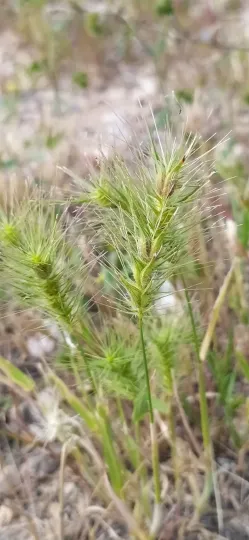
Description
Sowing dates
Heteranthelium piliferum is an annual grass species belonging to the family Poaceae. Characterized by its resilience, it serves as a valuable component in natural grasslands, particularly in regions where environmental conditions are challenging for more demanding crops.
Sowing typically occurs in early spring or late autumn to align with natural moisture cycles. In its native habitats, the plant relies on natural seed dispersal, where seeds remain dormant until the first favorable rainfall of the season triggers germination.
For agricultural purposes, seeds should be surface-sown or covered with a very thin layer of soil. The small size of the seeds necessitates careful depth control to ensure that seedlings have enough energy to reach the soil surface successfully.
Establishing this grass on pastures helps in stabilizing the soil and preventing erosion in arid environments. It grows quickly, providing essential early-season forage for livestock before other perennial grasses reach their peak productivity.
When cultivating, spacing should be balanced to allow for adequate tillering. Although not typically grown as a monoculture, its inclusion in pasture mixes significantly improves the overall biomass availability during the cooler spring months.
Growing requirements
This species is native to the arid and semi-arid zones of Western Asia and the Middle East. It has evolved to withstand high temperatures and erratic rainfall, making it a robust option for hot climates where water availability is the primary limiting factor.
Heteranthelium piliferum thrives in light, well-drained soils, such as sandy loams and clay soils common in steppe regions. It exhibits a high tolerance for poor soil fertility and moderate levels of salinity, which allows it to thrive on neglected or degraded land.
Being a sun-loving plant, it requires open areas with full exposure to direct sunlight. Shaded environments or areas crowded by dense brush significantly inhibit its development and overall growth rate.
Water requirements are highest during the germination and tillering stages. Once the plant moves into the reproductive phase, its physiological adaptations allow it to complete its lifecycle with minimal additional moisture.
While the plant is hardy, soil management practices that improve aeration can lead to better stand density. It does not perform well in waterlogged, compacted soils, which can induce root rot and limit nutrient uptake.
Main diseases and pests
Common cereal pests, including grass bugs and certain beetle species, pose the greatest threat to the reproductive organs of Heteranthelium piliferum. Damage during the heading stage can severely impact seed yield for the following season.
Fungal pathogens such as rust and mildew may manifest in areas with poor airflow or stagnant humidity. While usually not devastating to wild populations, these diseases can weaken a cultivated stand if planting densities are too high.
Weed competition during the seedling stage is a critical risk factor. Because the grass establishes relatively slowly in its first few weeks, more aggressive invasive weeds can easily outcompete it for nutrients and space.
Overgrazing remains the primary threat to the sustainability of populations in natural habitats. If animals consume the plants before the seeds have matured, the regenerative capacity of the stand for the next season is destroyed.
Seed storage pests, such as grain weevils, can compromise harvested seed stocks. Proper drying techniques and storage in climate-controlled environments are essential to maintain seed viability and prevent post-harvest loss.