
Hesperis dinarica
Hesperis dinarica
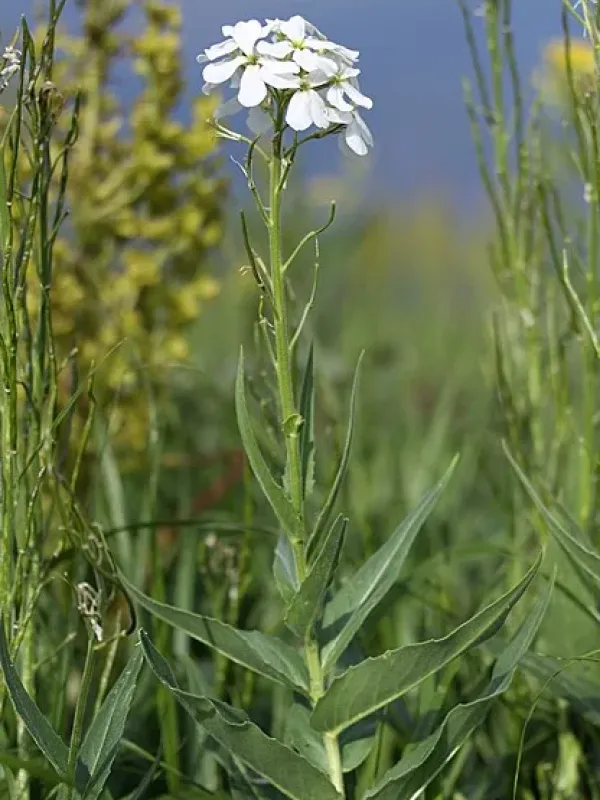
Description
Sowing dates
Hesperis dinarica is propagated primarily by seeds. The best time for sowing is autumn, allowing for natural stratification of the seeds during the cold winter months, which enhances germination rates in spring.
For greenhouse cultivation, sow the seeds in seed trays during early spring. Use a lightweight, well-draining substrate and cover the seeds lightly with vermiculite or fine soil to maintain moisture.
Germination typically occurs within 14-21 days under temperatures ranging from 15 to 20 degrees Celsius. Keep the environment humid but ensure good ventilation to prevent damping-off disease.
Seedlings should be transplanted to their final location when they develop the first true leaves. Space them out appropriately to allow for the development of a strong basal rosette.
When direct sowing in the field, use a seed drill to maintain row spacing of approximately 40 centimeters. This density is ideal for efficient weed control and plant development.
Growing requirements
As a member of the Brassicaceae family, Hesperis dinarica thrives in well-drained, lime-rich soils. It is native to rocky slopes, meaning it requires excellent drainage to prevent root rot.
The plant prefers full sun to light shade. While it is quite adaptable to various light conditions, the most vigorous growth and profuse flowering occur in areas with at least six hours of direct sunlight.
Soil pH should ideally be neutral to slightly alkaline. If the soil is acidic, adding agricultural lime can significantly improve the growth performance of this species.
Hesperis dinarica is remarkably hardy and resistant to cold climates. It does not require special winter protection in regions with temperate climates, making it an easy-care plant.
Maintenance involves periodic weeding and keeping the soil loosened around the base of the plant. This helps aeration and prevents the soil surface from crusting over during heavy rains.
Main diseases and pests
Like many cruciferous plants, Hesperis dinarica is susceptible to clubroot. Crop rotation is essential to prevent this soil-borne pathogen from building up in the planting site.
Powdery mildew can become an issue during hot, humid summers. Increasing plant spacing to improve airflow is a simple yet effective cultural control method for this fungal disease.
Flea beetles are the most common insect pests, particularly affecting young plants. They create small, shot-like holes in the leaves, which can stunt the growth of the plant if not managed.
Cabbage worms and aphids may also visit the plants. Regular monitoring of the undersides of the leaves is recommended to catch infestations before they cause significant economic damage.
Using row covers during the early weeks of growth can provide a physical barrier against insect pests and reduce the need for chemical treatments.
Harvesting
Seed harvest should be timed carefully. As soon as the pods turn from green to light brown or tan, they are ready to be harvested to prevent them from bursting and scattering the seeds.
Cut the stalks and place them in paper bags to finish drying. This method allows the seeds to fall naturally as the pods open, ensuring easy collection without losing the yield.