
Smooth rupturewort
Herniaria glabra L.
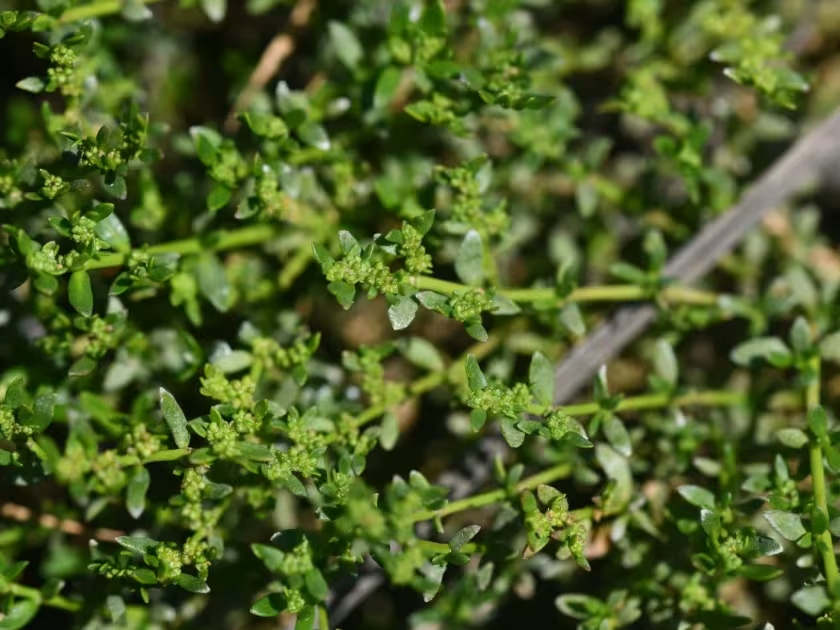
Description
Sowing dates
Smooth rupturewort (Herniaria glabra L.) is a low-growing perennial plant belonging to the Caryophyllaceae family, traditionally used in various medicinal applications.
Cultivation starts with sowing seeds in late autumn or early spring; given their small size, they should be sown shallowly to ensure proper germination.
Optimal sowing density is crucial to allow the plants to form a dense ground cover, which is typical for this species in natural environments.
Mechanical weed control is necessary during the early stages of development because the seedlings grow slowly and can be easily outcompeted by weeds.
For commercial production, row seeding with sufficient spacing is recommended to simplify maintenance and harvesting operations throughout the growing season.
Growing requirements
The plant thrives in sunny, open locations with sandy or loose, well-drained soils, showing a strong preference for dry and impoverished substrates.
Excessive soil moisture is detrimental, as the plant is highly susceptible to root rot and other fungal diseases under waterlogged conditions.
It is well-adapted to temperate climates, surviving cold winters, and generally does not require intensive fertilization, making it a low-input crop.
Neutral to slightly alkaline soil pH is preferred for optimal biomass production, while acidic soils should be treated with lime before planting.
Proper air circulation is essential, which is why planting sites should be open and not restricted by large structures or dense vegetation.
Yield
The economic yield of smooth rupturewort is measured by the quantity of dried aerial parts collected during the peak flowering stage.
With correct agronomic practices, yields can reach significant levels, making it a viable specialty crop for medicinal herb producers.
Maximum biomass production typically occurs from the second year onwards, once the plant has established a robust root system and dense foliage.
Sustainable harvesting techniques, such as proper cutting height, ensure the longevity of the plant stand and consistent yields over several consecutive seasons.
Quality of the raw material is determined by the absence of foreign matter and the retention of natural green color after drying.
Main diseases and pests
The main threats to this crop include competition from faster-growing weeds and the risk of fungal pathogens in poorly drained soils.
Pests like aphids may occasionally colonize the plants during hot, dry spells, necessitating close monitoring and biological control if levels are high.
Root rot is the most serious disease risk, especially in years with high rainfall, making proper site selection the primary preventive strategy.
Powdery mildew can occur in dense, stagnant conditions; therefore, maintaining good space between plants is vital for disease management.
Agronomists emphasize avoiding excessive nitrogen, which can lead to lush growth susceptible to disease, preferring a balanced nutrient approach instead.
Harvesting
The harvest should occur when the plants are in full bloom, ensuring the highest concentration of saponins and flavonoids for the end product.
Crops are cut using mechanical harvesters or sickles, leaving a small stubble to allow for potential regeneration or protection of the root crown.
Post-harvest handling requires quick transportation to the drying facility to prevent self-heating and loss of color in the cut plant material.
Drying is performed under shade with continuous airflow, maintaining temperatures below 40 degrees Celsius to preserve volatile components.
Once dried, the crop is stored in tightly sealed containers in cool, dark, and dry conditions to maintain shelf life and medicinal potency.