
Hernandia ovigera
Hernandia ovigera L.
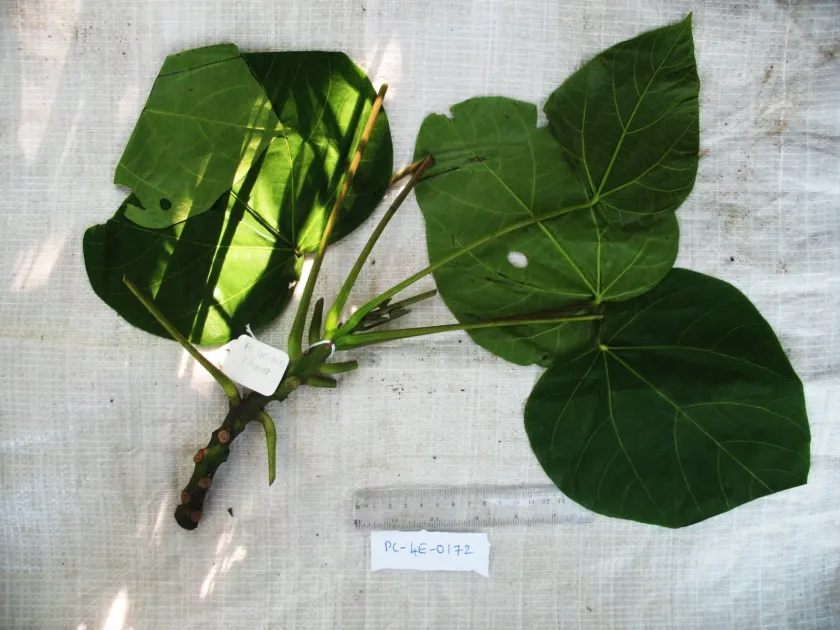
Description
Sowing dates
Propagation of Hernandia ovigera primarily occurs through seeds, which exhibit a remarkable ability to remain viable during dispersal by sea currents in coastal tropical environments.
For agricultural purposes, seeds are sown in a porous, well-draining substrate shortly after harvesting, as their viability tends to decrease rapidly over time if not properly stored.
Consistent high humidity and warm temperatures are essential during the germination phase to ensure a high success rate and healthy development of the seedlings.
During the early growth stages, young plants require shade to prevent heat stress and dehydration, which are common risks in direct tropical sunlight conditions.
Transplanting to the final location should only be conducted once the root system is robust enough to withstand the environmental challenges of the open coastal habitat.
Growing requirements
Hernandia ovigera, a member of the Hernandiaceae family, thrives in tropical coastal ecosystems characterized by high humidity and warm, stable ambient temperatures.
The species prefers light, well-drained soils, such as sandy or loamy textures, which prevent the root rot that often plagues trees grown in waterlogged environments.
Temperature management is critical, as this plant is strictly non-frost tolerant and requires a consistent climate to support its woody tissue production throughout the year.
Wind protection is vital in the early years of development, as the tree's structure is susceptible to damage from the strong maritime winds found in its native range.
Occasional irrigation is recommended during prolonged dry spells to optimize growth rates, despite the tree's natural resilience to varying moisture levels.
Yield
The primary agricultural output of Hernandia ovigera is its lightweight, workable wood, which is utilized for various artisanal crafts and traditional marine equipment.
Harvesting strategies focus on maximizing the growth of the trunk biomass, which depends on proper planting density and balanced soil fertility management.
Secondary value is derived from the leaves and seeds, which contain chemical compounds with specific properties utilized in local pharmacological and cosmetic applications.
Implementing a structured harvest cycle allows for sustainable yield while ensuring the regeneration of the plant population for future cultivation cycles.
Quality control during the processing of wood is essential, as the material's value is highly dependent on its structural integrity and freedom from moisture-related defects.
Main diseases and pests
Fungal pathogens represent the most significant threat to the health of Hernandia ovigera plantations, particularly in regions where humidity levels remain consistently high.
Various insect species, common in tropical climates, may target the foliage, necessitating regular monitoring and the use of integrated pest management practices to prevent outbreaks.
Improper drainage leading to waterlogged soil is a leading cause of root rot, which can prove fatal to trees if not addressed through corrective landscape engineering.
Ensuring adequate spacing between trees promotes better airflow, significantly reducing the risk of disease spread and creating a healthier microclimate for the plantation.
Proactive field inspections are essential for identifying the early symptoms of pests or infections, allowing for localized treatments that minimize the need for broad-spectrum chemicals.