
Herissantia
Herissantia tiubae
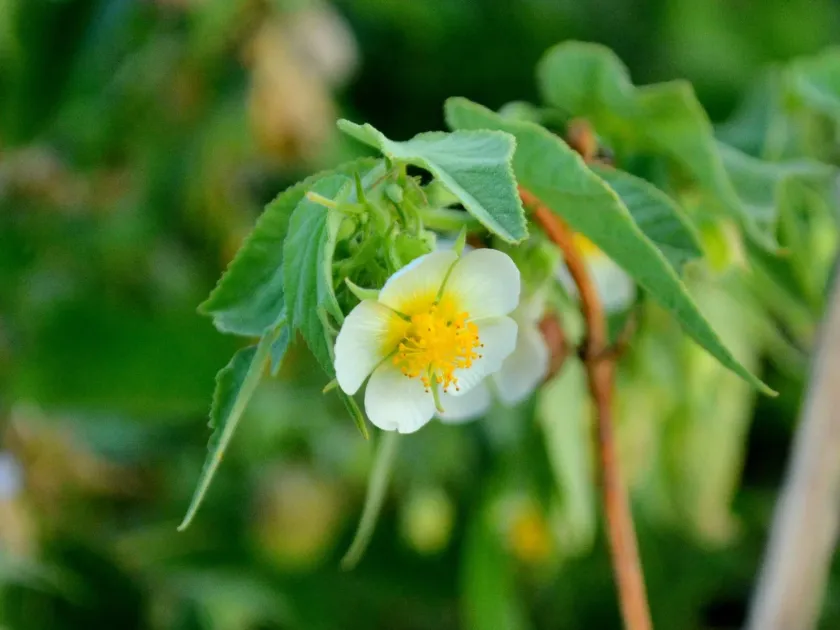
Description
Growing requirements
Herissantia (Herissantia tiubae) is a perennial plant species belonging to the Malvaceae family. It is native to South American regions, where it thrives in varied tropical and subtropical habitats. The plant is known for its robust adaptation to environments characterized by long periods of high heat.
Cultivation of this species requires well-drained soil types to prevent moisture stagnation, which can be detrimental to root development. While it is naturally found in diverse soil conditions, optimizing the fertility level enhances biomass production and fiber quality, which are critical for its agricultural utility.
The plant demonstrates a high demand for solar radiation, requiring full exposure to light to maintain optimal vegetative growth. Adequate spacing between plants is essential to prevent shading, which directly affects the structural integrity of the fibers and the plant's overall photosynthetic efficiency.
Climatic requirements are focused on sustaining consistent warmth, as the plant is not frost-tolerant. It performs well in regions with distinct seasonal rain patterns, provided the soil drainage prevents long-term saturation of the rhizosphere during the heavy rainfall months.
Beyond its fiber properties, Herissantia is investigated for its potential in sustainable agriculture as a source of forage biomass. Its botanical composition allows it to contribute to soil conservation when managed correctly within local ecological frameworks.
Main diseases and pests
Pest management is a significant challenge for Herissantia growers, as the plant is a host for several insects typical of the Malvaceae family. Aphids and spider mites are the most common pests that can compromise plant health by extracting sap and spreading pathogens.
Fungal diseases are a primary threat, particularly when humidity levels exceed ideal thresholds. Pathogens such as those causing leaf spots and stem rot can spread rapidly in dense stands, necessitating good canopy management and airflow optimization to mitigate these risks.
Weed competition presents a major obstacle in the establishment phase. Because the initial growth rate of the seedlings can be slow, intensive weed management is required to ensure the plant establishes a strong root system before being outcompeted for available soil nutrients.
Integrated pest management (IPM) strategies, including regular scouting and biological control agents, are highly recommended for large-scale operations. These methods minimize the reliance on chemical pesticides while maintaining ecological balance within the cropping system.
To ensure long-term productivity, growers must monitor for signs of nutritional stress and disease incidence regularly. Proper documentation and application of localized treatments remain the most effective ways to manage threats and secure yield stability.