
Herissantia crispa
Herissantia crispa
Description
Growing requirements
Herissantia crispa is a herbaceous plant species belonging to the Malvaceae family. It is recognized as a hardy perennial that is well-adapted to various ecological niches, often thriving in ruderal or open habitats within its native range.
The origin of this species is primarily the Americas, covering a vast area from the southern United States through Mexico and Central America to the northern regions of South America. It prefers sunny, warm environments with distinct seasonal cycles.
In terms of agricultural requirements, the plant demands well-drained soil types. It is notably drought-tolerant, making it a potentially resilient crop for semi-arid environments where water availability is restricted throughout the growing season.
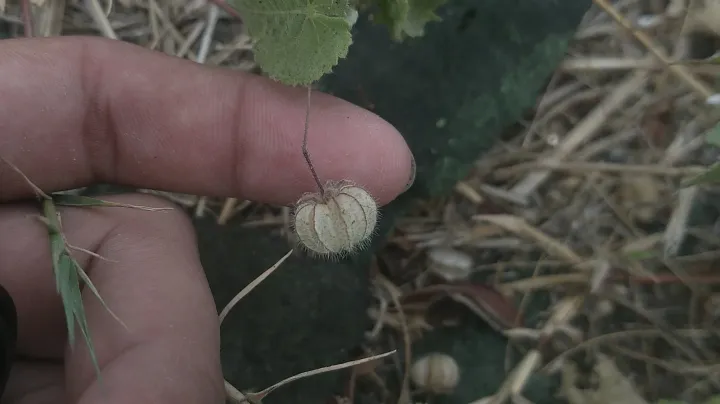
The botanical structure of Herissantia crispa features heart-shaped leaves covered with soft hairs, which serve as a protective layer against excessive transpiration. The flowers are relatively small, typically yellow, and lead to the development of unique, papery fruits.
Economically, the plant is researched for its fiber quality and potential in land restoration projects. Its ability to grow in poor soils provides an opportunity for land utilization in areas where traditional staple crops may struggle to survive.
Main diseases and pests
The primary agricultural threats to this crop include pests typical of the mallow family, such as aphids, spider mites, and whiteflies. Integrated pest management, focusing on biological controls, is highly recommended to protect the crop's development.
Regarding diseases, fungal pathogens such as powdery mildew represent the most significant risk, especially in conditions of high humidity or poor field drainage. Ensuring optimal row spacing and airflow is essential to maintaining overall crop health and vigor.