
Herbertia pulchella
Herbertia pulchella Sweet
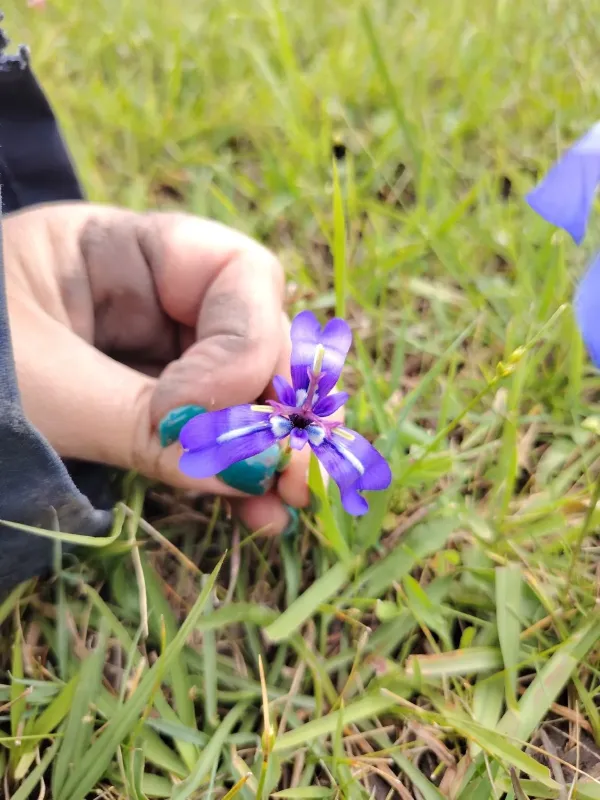
Description
Sowing dates
Seeds of Herbertia pulchella are typically sown during the autumn or winter months in a controlled environment. To break dormancy, seeds require a period of cold stratification, mimicking their natural habitat conditions.
The seeds should be covered lightly with a well-draining, sterile potting mix at a depth of about 0.5 to 1 cm. Keeping the substrate consistently moist is crucial for germination.
Seedlings develop slowly and should be handled with care when transplanting. Once they reach a sufficient size, they can be potted individually or moved to their permanent outdoor location.
Vegetative propagation via offsets is the most reliable way to maintain the plant's vigor. This should be performed in the spring, allowing the plants to establish before the heat of summer arrives.
Planting density is important for long-term health; ensuring at least 15 cm of spacing prevents overcrowding and allows for optimal air circulation around the basal leaves.
Growing requirements
Herbertia pulchella belongs to the Iridaceae family and is a specialized bulbous perennial. It thrives in locations that receive full sun for the majority of the day, which is essential for blooming.
Soil requirements are quite specific: the plant demands excellent drainage. A gritty, sandy, or volcanic soil mix is ideal to prevent the sensitive bulbs from rotting during wetter periods of the year.
The climate should mirror its native environment, characterized by distinct wet and dry seasons. In regions with freezing winters, the bulbs must be lifted or heavily mulched to prevent damage.
Watering should be managed based on the plant's growth stage; active growth requires moisture, while a period of relative dryness is needed after flowering to promote bulb dormancy.
Regular application of low-nitrogen liquid fertilizers during the spring will support bulb development and provide the necessary nutrients for the next flowering cycle.
Main diseases and pests
Fungal pathogens are the primary threat, especially in humid conditions or heavy, waterlogged soils. Root rot and grey mold are the most common infections observed in cultivation.
Prevention is key; using fungicides during storage of bulbs and ensuring proper soil aeration will significantly mitigate the risk of fungal outbreaks.
Insect pests such as thrips and aphids may colonize the foliage during the spring. Monitoring is essential, as these pests can weaken the plant and transmit viral diseases.
Slugs and snails can cause significant damage to emerging shoots. Implementing physical barriers or using organic baits can help protect the vulnerable early growth stages.
Maintaining a clean garden environment by removing dead plant debris helps reduce the habitat for many pests and pathogens that could target the Herbertia bulbs.