
Hemistepta lyrata
Hemistepta lyrata
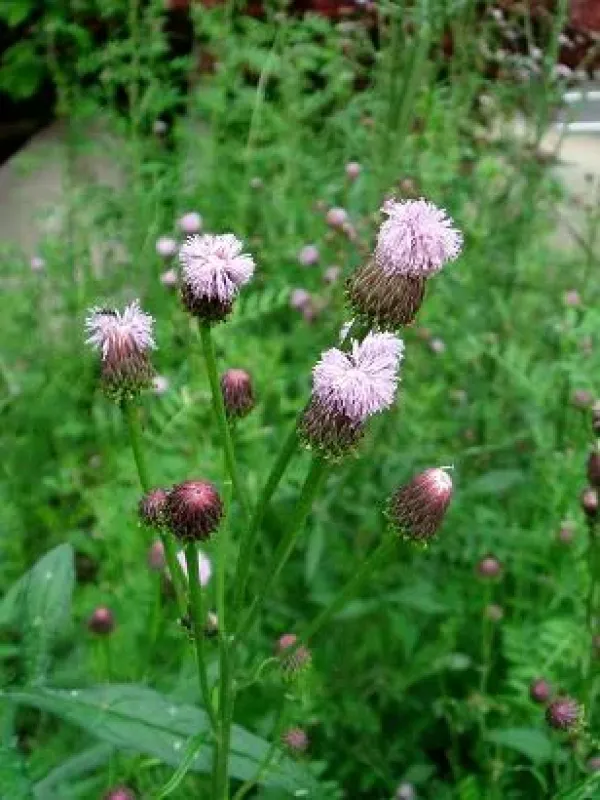
Description
Sowing dates
Hemistepta lyrata is primarily known as a wild herbaceous plant, but its cultivation for medicinal purposes follows specific agricultural patterns. Sowing is typically carried out in the spring when soil temperatures reach 10–12 degrees Celsius.
Seeds of this plant have high germination rates but require precise planting depths, ideally between 1 to 2 centimeters. Shallow sowing ensures that the small seeds maintain necessary contact with moist soil for successful emergence.
Row planting with a spacing of approximately 45 centimeters is recommended to allow the plant to form its characteristic leaf rosette without overcrowding. This spacing is vital for the optimal development of the vegetative biomass.
After seeding, light rolling of the soil surface helps improve seed-to-soil contact, which is crucial for uniform germination in spring conditions. Adequate moisture must be maintained throughout the initial phase of development.
Careful irrigation during the first few weeks after sowing is essential, as the seedlings are susceptible to drought stress before their root systems reach deeper soil horizons.
Growing requirements
Belonging to the Asteraceae family, Hemistepta lyrata is native to East Asia. The plant thrives in well-lit, sunny areas where it can maximize its photosynthetic activity for rapid growth.
Regarding soil preferences, the species is adaptable but performs best in light loam or sandy soils with a neutral to slightly acidic pH. Poorly drained, heavy clay soils should be avoided to prevent root diseases.
The plant demonstrates significant drought tolerance once established, thanks to a robust root system. However, for maximum green mass production, consistent soil moisture is preferred throughout the growth cycle.
A temperate climate is ideal for Hemistepta development, with the best growth observed at temperatures between 18 and 25 degrees Celsius. Extreme cold during the active flowering phase can negatively impact raw material quality.
Proper soil aeration and regular weeding are necessary to reduce competition. Maintaining clean rows allows the plant to allocate its energy towards foliage and stem development efficiently.
Yield
The yield of Hemistepta lyrata is highly dependent on nitrogen availability during the intensive growth phase. Proper fertilization regimes can significantly increase the total harvest of medicinal-grade biomass.
The plant is valued for its aerial parts, which are rich in bio-active compounds. Harvesting at the peak of the vegetative phase, right before full bloom, ensures the highest concentration of these therapeutic substances.
The plant's natural competitive ability helps it suppress weed growth once the rosette is fully formed. This characteristic reduces the need for frequent manual labor in the later stages of the crop cycle.
Expected yields can vary based on local conditions and management practices. Implementing systematic fertilization and keeping the crop free from pathogens are key factors in achieving stable production targets.
High seed yield is another feature of the species, allowing farmers to maintain their own seed stock for subsequent years, provided they monitor the quality and purity of the harvested seeds.
Main diseases and pests
The primary threats to Hemistepta lyrata include fungal diseases such as powdery mildew, which often develop in humid, stagnant air conditions. Dense planting schemes increase the risk of such outbreaks.
Pests like aphids and certain leaf-eating beetles can cause significant damage to the foliage in the early stages. Integrated pest management strategies, emphasizing biological controls, are preferred for medicinal crops.
Root rot is a persistent risk in poorly drained fields. Choosing sites with appropriate soil texture and good drainage is the best preventive measure against soil-borne pathogens.
Weed interference during the first month of development can stunt the growth of young plants. Timely mechanical cultivation between rows is essential for early weed control.
Avoiding over-fertilization with nitrogen is also important, as excessive vegetative growth can attract more pests and lead to weaker stem structures, making the plants more prone to lodging.
Harvesting
Harvesting should be timed precisely to the plant's phenology. The optimal harvest window is during the budding phase or early flowering, ensuring that the active chemical constituents are at their highest level.
Stems are typically cut 5–10 centimeters above the ground. Mechanized harvesting is possible in larger fields, provided the equipment is calibrated to minimize the inclusion of dirt and debris.
Post-harvest processing requires immediate drying to prevent degradation. Drying should be conducted in shaded, well-ventilated areas or controlled-temperature dryers at a maximum of 45 degrees Celsius.
Excessive heat or direct sunlight during drying should be avoided to preserve the color and bio-activity of the raw material, which are critical parameters for its marketability.
After the harvest, crop residues should be removed or incorporated into the soil to maintain field sanitation and prepare the land for the next agricultural cycle in the rotation.