
Hemiphragma heterophyllum
Hemiphragma heterophyllum
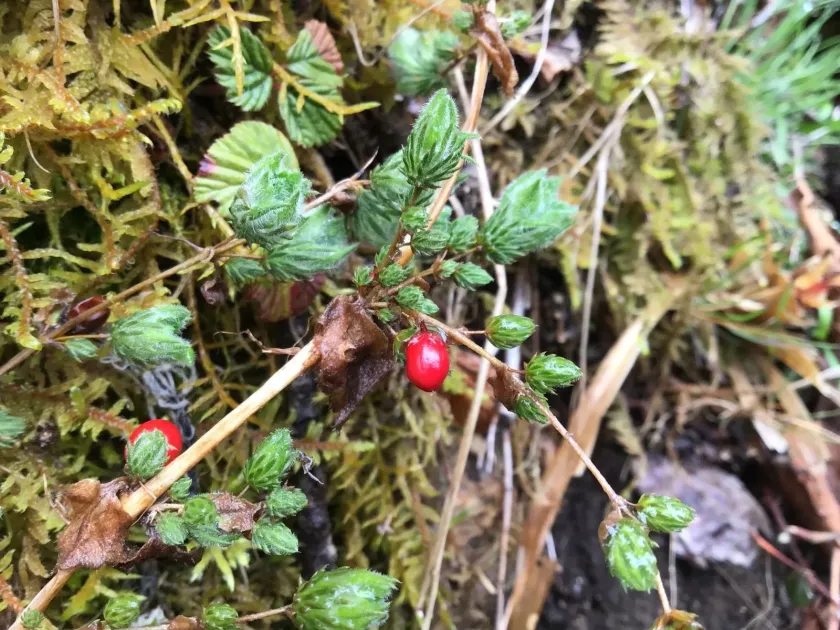
Description
Growing requirements
Hemiphragma heterophyllum is a unique trailing herb belonging to the Plantaginaceae family. Native to the mountainous regions of the Himalayas, China, and Japan, it is highly valued for its creeping habit and delicate foliage.
The plant is biologically characterized by its dimorphic leaves, which vary in shape and size along the stems. These stems are capable of rooting at each node, allowing the plant to spread effectively across suitable substrates.
Cultivation requires specific environmental conditions, primarily high ambient humidity and moderate temperatures. It thrives in well-drained, humus-rich soil that mimics the forest floor environment of its natural habitat.
Light requirements are strict: the plant prefers filtered light or shade. Direct exposure to intense, hot sunlight will likely scorch the leaves and cause the plant to dehydrate rapidly.
Regular maintenance involves keeping the soil consistently moist but never waterlogged. It is an excellent choice for terrariums or humid, shaded rock gardens where it can form a dense, carpet-like mat.
Main diseases and pests
Fungal infections remain the most significant threat to the health of Hemiphragma heterophyllum, especially when air circulation is poor.
Root rot is a common outcome of overwatering, which quickly leads to the decay of the stolons and the collapse of the plant cover.
Pests such as spider mites can infest the foliage, particularly in indoor environments where the air may become too dry for the plant's health.
Snails and slugs are opportunistic pests that feed on the soft leaves, leaving unsightly holes and damaging the structural integrity of the creeping mat.
Effective management strategies include ensuring proper drainage, maintaining balanced humidity levels, and using integrated pest control measures to prevent outbreaks.