
Hemidesmus indicus
Hemidesmus indicus
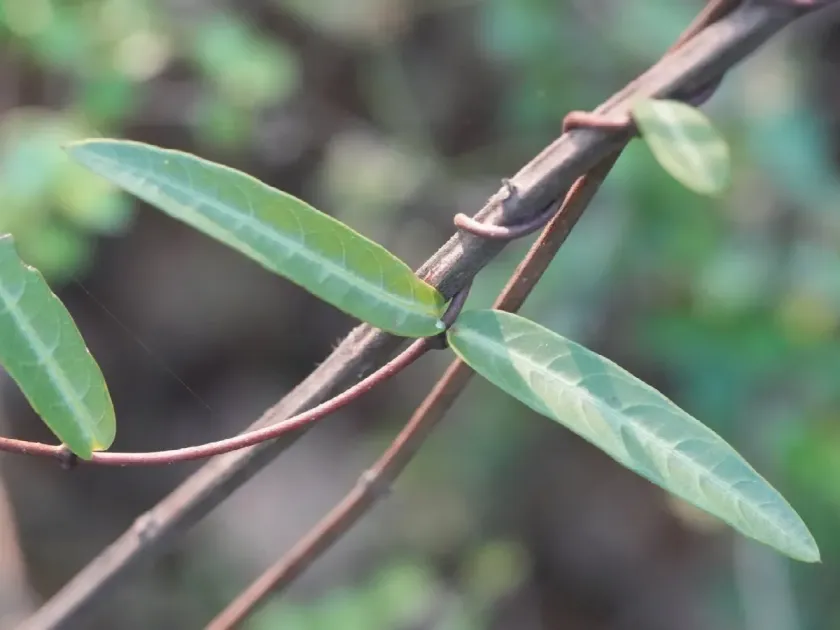
Description
Growing requirements
Hemidesmus indicus, commonly known as Indian sarsaparilla, is a perennial twining shrub belonging to the Apocynaceae family. It is native to the Indian subcontinent and parts of South Asia, where it is highly valued for its medicinal properties.
The crop thrives in tropical and subtropical climates that provide consistent temperatures and humidity. It prefers well-drained, fertile sandy-loam soils that allow for deep root development, as the roots are the primary portion harvested for commercial use.
Successful cultivation requires a location with full to partial sun exposure. While the plant is somewhat drought-tolerant once established, providing consistent soil moisture during the initial growth stages is essential for achieving higher yields of biomass.
Soil preparation is critical and should involve the incorporation of organic matter to improve soil structure and water retention. The plant does not tolerate waterlogging, so adequate drainage systems must be installed in fields prone to heavy rainfall.
Regular monitoring of soil pH is recommended, as the plant prefers slightly acidic to neutral soil conditions. Proper maintenance including mulching helps keep the roots cool and prevents excessive evaporation during hot summer months.
Main diseases and pests
Root rot is the most significant disease threat to Hemidesmus indicus, especially in poorly drained soils. Fungal pathogens thrive in saturated conditions, making proper irrigation management the primary line of defense for the grower.
Pests such as spider mites and aphids are frequently observed affecting the foliage. These pests reduce the photosynthetic capacity of the plant and, if left unmanaged, can lead to stunted growth and reduced quality of the final harvest.
Soil-borne nematodes pose a recurring challenge in fields with intensive cropping history. Implementing a diverse crop rotation cycle is necessary to break the life cycle of these parasites and maintain field health.
Leaf-eating caterpillars can cause substantial damage during the rainy season. Scouting for eggs and early-stage larvae is crucial to preventing mass defoliation and ensuring the plant maintains its vigor through the season.
Weed management is vital during the early establishment phase of the plant. Since Hemidesmus is a slow-growing climber initially, keeping the area free of aggressive grasses ensures that the young plants have sufficient access to nutrients and light.