
Heliophila longifolia
Heliophila longifolia
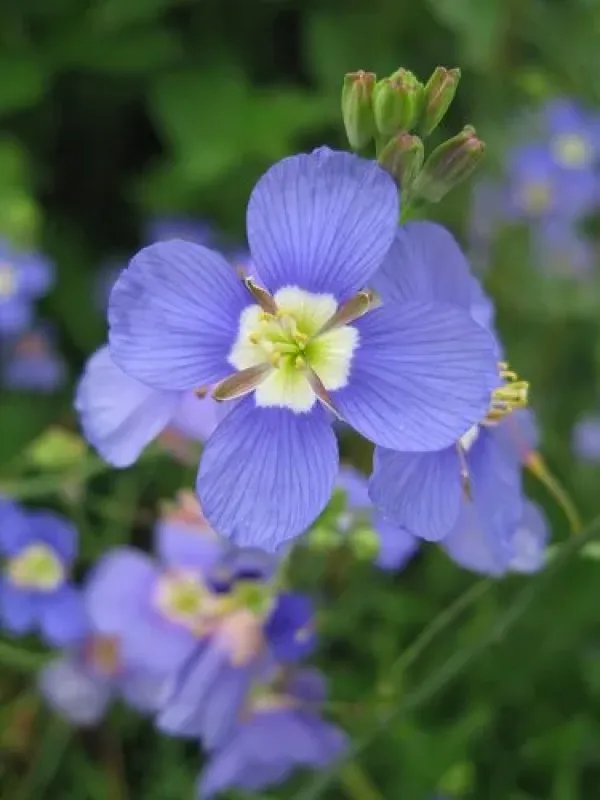
Description
Sowing dates
Heliophila longifolia is a delicate annual that is best sown directly into the garden after all danger of frost has passed. Early spring, when the soil begins to warm up, is the ideal time to ensure strong germination and steady growth throughout the season.
When sowing, seeds should be scattered thinly over a well-prepared seedbed and covered with only a light dusting of fine soil. It is crucial to maintain consistent moisture during the germination period, which typically takes about two weeks depending on the temperature.
Thinning is an essential part of the early cultivation process. Once seedlings reach a few centimeters in height, space them approximately 15 to 20 centimeters apart to prevent overcrowding and ensure each plant has access to adequate light and airflow.
For those living in regions with shorter growing seasons, starting seeds indoors in late winter is a viable option. Use biodegradable pots to minimize root disturbance during the transplanting phase, which should occur only after the plants have been properly hardened off.
Succession planting can be practiced in mild climates to extend the floral display. By sowing seeds every three weeks until the start of summer, you can enjoy a continuous bloom cycle that brightens the landscape well into the warmer months.
Growing requirements
As a member of the Brassicaceae family, Heliophila longifolia thrives in well-drained, gritty, or sandy soils. It is highly intolerant of heavy, clay-based soils that retain too much water, as these conditions often lead to root decay.
Full sun is a non-negotiable requirement for this species. To achieve the most vibrant blue flowers and compact growth habit, the plants need at least six to eight hours of direct sunlight every day without any shading from nearby structures or trees.
The plant is native to South Africa, which means it is well-adapted to environments with cool nights and moderate humidity. While it can handle occasional dry spells once established, consistent soil moisture during the flowering phase is necessary for the best results.
Avoid excessive fertilization as it may result in lush, leafy growth at the expense of flower production. A light application of a balanced, water-soluble fertilizer early in the season is usually sufficient to support the plant's metabolic needs.
Good air circulation is vital to keep the plants healthy and prevent foliage issues. Avoid planting them in low-lying areas where cold, damp air collects, as this can encourage the development of opportunistic fungal pathogens.
Main diseases and pests
Fungal diseases, particularly damping-off and root rot, are the most significant threats to Heliophila longifolia. These are primarily caused by overwatering or poor drainage systems in the garden, highlighting the need for careful moisture management.
Powdery mildew can become an issue during periods of high humidity or when plants are crowded too closely together. Promoting better ventilation and avoiding overhead irrigation can significantly reduce the risk of this unsightly fungal infection.
Crucifer flea beetles are common pests that feed on the leaves of this species. They leave behind small, shothole-like patterns which can weaken young plants; simple physical barriers or horticultural soap sprays are often effective management solutions.
Aphids might colonize the flower spikes during hot, dry weather. While they rarely cause permanent damage to a mature plant, they can distort the flower buds, so manual removal or a sharp spray of water is often enough to keep populations under control.
Slugs and snails can be problematic for young seedlings, especially during rainy weather. Utilizing organic slug pellets or creating a barrier of crushed eggshells around the base of the plant can provide necessary protection against these voracious feeders.