
Helinus
Helinus
Helinus is a genus of perennial woody vines belonging to the buckthorn family, Rhamnaceae. These climbing plants are notable for their ability to thrive in tropical and subtropical environments by utilizing surrounding vegetation for support.
What the section contains

Helinus
The native range of Helinus is primarily centered in Africa and surrounding islands. The plants are naturally adapted to warm, stable climates, meaning they lack tolerance for frost or cold stress, which significantly restricts their cultivation potential in colder zones.
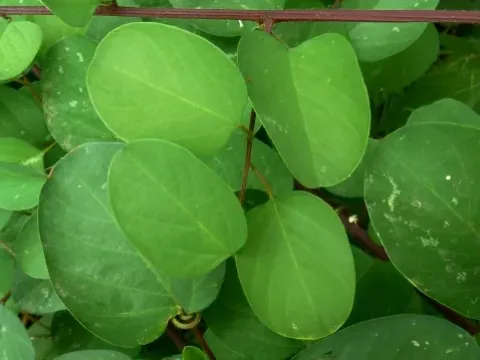
Botanically, the genus features slender stems and alternate leaves. The inflorescences are generally small and clustered, reflecting the typical reproductive structures found within the broader Rhamnaceae family across the globe.
In terms of soil and environmental needs, Helinus requires well-drained, nutrient-rich substrates. Proper aeration is essential for the root system, as these plants are accustomed to soils that do not retain excess moisture for long periods.
Currently, there is no significant agricultural or commercial production of Helinus. The plant is viewed mainly as a subject of botanical study or ornamental interest within specific warm-climate regions, rather than a crop intended for food or fiber production.