
Helinus integrifolius
Helinus integrifolius
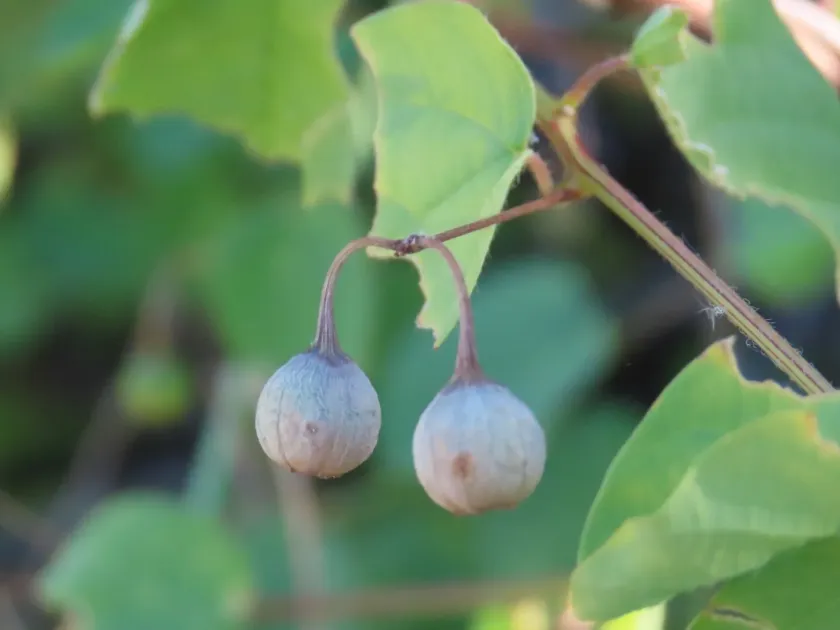
Description
Growing requirements
Helinus integrifolius is a perennial climbing shrub belonging to the Rhamnaceae family. Originating from Southern Africa, it is typically found in diverse habitats ranging from forested areas to scrublands where it utilizes other vegetation for vertical support.
For successful cultivation, the plant requires well-drained, nutrient-rich soil with a slightly acidic to neutral pH. It is crucial to ensure excellent drainage, as the roots are sensitive to waterlogging, which can lead to fungal infections and systemic decay of the climber.
The climatic preferences of this species include warm temperatures and protection from frost. It thrives in regions with stable tropical or subtropical conditions, requiring consistent temperatures and sufficient humidity during the main growing season for optimal development.
In terms of agricultural management, the plant necessitates robust support structures such as trellises or stakes. This not only encourages vertical growth but also facilitates better air circulation, which is essential to minimize the risk of pests and localized disease development.
Economic and research interests in Helinus integrifolius are primarily driven by its traditional medicinal applications. Scientific interest focuses on its potential as a source of bioactive secondary metabolites, which are studied for their anti-inflammatory and antiseptic properties in pharmaceutical development.