
Varicoloured oat-grass
Helictotrichon versicolor
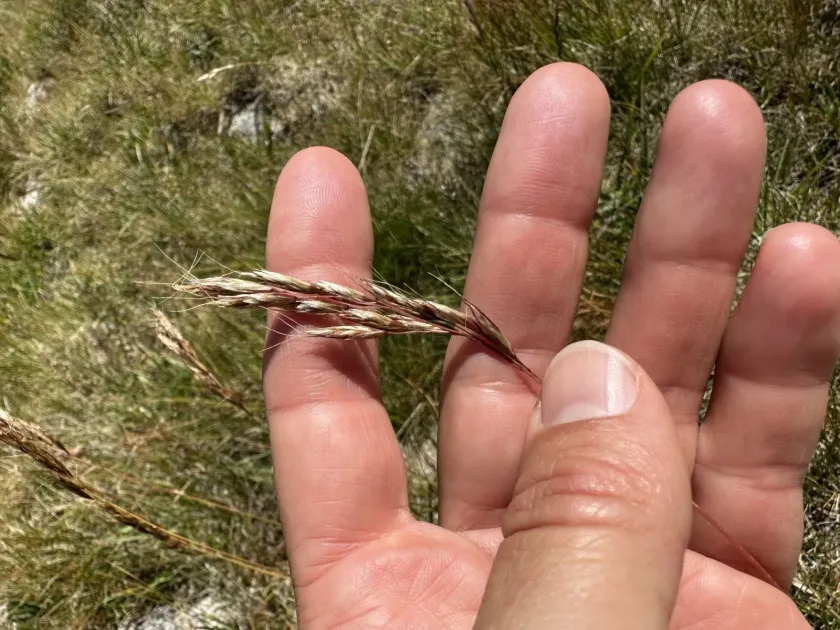
Description
Growing requirements
Varicoloured oat-grass (Helictotrichon versicolor) is a perennial grass species belonging to the family Poaceae. This plant is naturally adapted to harsh alpine and subalpine environments, often found in high-altitude mountain ranges.
The plant forms dense tufts or tussocks, which provide significant structural stability to the soil, especially in mountainous regions where erosion is a major concern. Its root system is deep and fibrous, allowing it to access nutrients in poor soil conditions.
The crop thrives in full sunlight and requires well-drained, porous soils. It is highly intolerant of waterlogged conditions, which can lead to rapid decline of the root system and plant death.
Climate adaptability is one of its primary traits; it remains dormant during freezing winter months and begins rapid growth as soon as snow cover melts. It prefers cool temperatures and high atmospheric humidity typical of alpine climates.
Economically, it serves as an essential component of mountain pastures. It provides high-quality forage for sheep and cattle during the summer grazing season, contributing to the nutritional balance of the herd.
Main diseases and pests
The plant can be susceptible to fungal pathogens like rust and powdery mildew, especially during seasons with high humidity and poor air circulation in the stand. These diseases can impair the quality of the forage.
Common insect pests include grass aphids and certain larvae of Diptera, which feed on the sap or vegetative tissues of the grass. In stable ecosystems, these pests rarely reach levels that threaten the survival of the plant.
Overgrazing is the most significant anthropogenic threat. When the grass is grazed too short, the plant loses its ability to photosynthesize effectively, weakening its resilience against future stressors.
Invasive weed species can outcompete varicoloured oat-grass if the site has been degraded by excessive trampling or fertilization. Maintaining a balanced ecosystem is crucial for its long-term persistence.
Integrated management practices, including rotation grazing and proper resting periods for pasture land, are essential to maintain the productivity and vitality of the stand.