
Helictotrichon elongatum
Helictotrichon elongatum
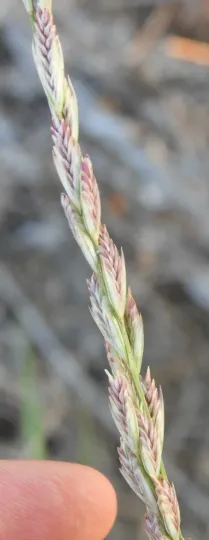
Description
Sowing dates
Sowing should ideally take place in early spring as soon as soil moisture levels are optimal and the risk of late frosts is minimal for seed germination.
The seedbed must be finely prepared and firm, as shallow sowing is necessary to ensure the small seeds maintain adequate contact with the moist soil surface.
Standard seeding rates range from 10 to 18 kilograms per hectare, depending on whether the primary goal is a dense pasture or a hay production meadow.
Including this species in mixed seed blends with legumes can significantly enhance the protein content and overall quality of the forage provided to livestock.
Post-seeding compaction using a cultipacker helps ensure uniform germination across the field, which is critical for consistent stand establishment.
Growing requirements
Helictotrichon elongatum is a resilient perennial grass species belonging to the Poaceae family. It is recognized for its high ecological adaptation to mountain climates and temperate regions where other species might struggle.
The plant thrives in well-drained, fertile soil types, ranging from sandy loams to heavier clay-based soils, provided there is no risk of prolonged waterlogging.
It exhibits remarkable cold tolerance, allowing it to survive harsh winter conditions and thrive in high-altitude environments where active growth periods are limited.
Sunlight exposure is crucial for this species; it performs best in open areas where it can utilize full solar radiation to produce dense, nutrient-rich foliage.
Its robust root system not only supports the plant through seasonal droughts but also plays a vital role in soil stabilization, making it an excellent choice for erosion control.
Yield
The yield of Helictotrichon elongatum is characterized by high palatability and nutritional value, particularly when harvested at the late-boot or early-heading stage.
With proper fertilization, especially nitrogen input, the species can produce multiple cuts per season, significantly increasing total dry matter output per hectare.
For pasture use, rotational grazing management is recommended to allow the grass sufficient time to recover and replenish carbohydrate reserves in its roots.
Yield stability across years is a notable trait of this species, provided that management practices allow for natural reseeding or periodic rest intervals.
Proper harvesting timing prevents the forage from becoming overly stemmy and coarse, ensuring that the quality remains high for animal consumption.
Main diseases and pests
The species generally maintains a strong resistance to most common fungal pathogens that affect temperate grasses, such as rusts and powdery mildew.
Occasional pressure from aphids or grasshoppers may occur during hot, dry spells, though it rarely reaches levels requiring chemical intervention.
Management of competitive weed species during the establishment phase is far more critical than disease control for ensuring a successful field stand.
Integrated pest management strategies focusing on cultural practices, like correct mowing heights, effectively mitigate the impact of potential insect damage.
Avoiding overgrazing is the best preventive measure to maintain plant vigor, as stressed plants are naturally more susceptible to opportunistic pests and pathogens.