
Helictotrichon crassifolium
Helictotrichon crassifolium
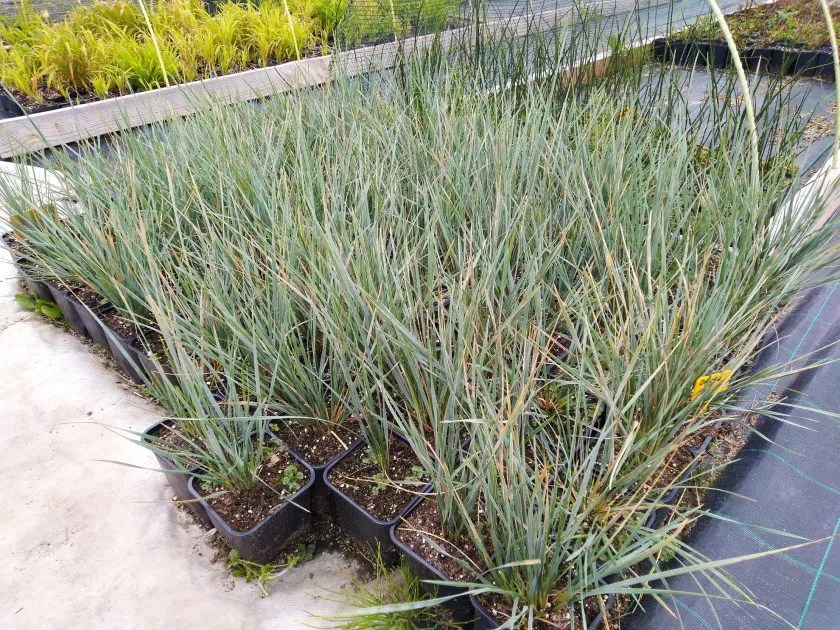
Description
Growing requirements
Helictotrichon crassifolium is a perennial grass species belonging to the Poaceae family. It is typically found in high-altitude environments, thriving on rocky outcrops and mountain slopes where soil depth is minimal and drainage is excellent.
The plant is anatomically specialized for xeric conditions. Its leaves are thick and leathery, a trait that reduces transpiration and allows the plant to maintain metabolic activity during periods of intense solar radiation and limited precipitation.
Cultivation requirements necessitate sites with superior drainage properties. Heavy or waterlogged soils are detrimental to the root system, as the plant has evolved to prefer mineral-rich, stony, or sandy substrates typical of alpine environments.
Environmental adaptation is one of the key strengths of this species. It exhibits high tolerance to temperature extremes, including frost and high daytime heat, which allows it to persist in mountainous regions where seasonal temperature swings are significant.
From a functional perspective, Helictotrichon crassifolium is valued for soil stabilization and landscape restoration in harsh habitats. Its deep root architecture helps prevent soil erosion, while its moderate forage quality makes it suitable for extensive grazing by sheep and goats.