
Helictotrichon cantabricum
Helictotrichon cantabricum
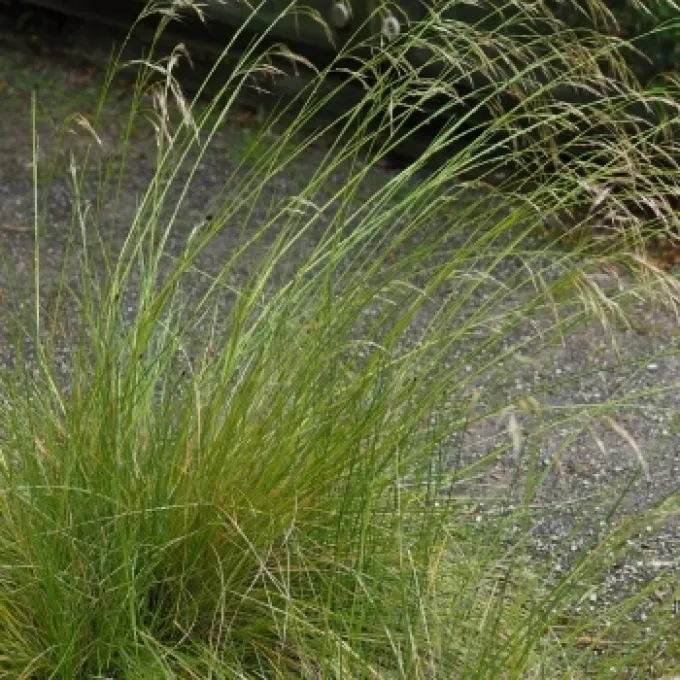
Description
Growing requirements
Helictotrichon cantabricum belongs to the Poaceae family. This perennial grass is highly valued for its striking, blue-grey foliage and its ability to maintain a compact, clumping habit throughout the growing season.
Native to the Cantabrian Mountains in Spain, this species is well-adapted to cool, temperate climates. It thrives in high-altitude conditions, which makes it remarkably hardy in regions with distinct seasonal temperature changes.
When cultivating this grass, well-draining soil is essential. It performs best in sandy or gravelly loams. Poor drainage often leads to root suffocation, which is the primary cause of plant failure in non-native environments.
Light requirements are strict: this species requires full sun to maintain its distinctive blue coloration. In shaded areas, the plant tends to lose its vibrant hue, becoming more prone to thinning and loss of structural integrity.
Agrotechnical maintenance involves periodic cleaning of dead foliage. Trimming should be done in early spring, just before the new growth cycle begins, to refresh the appearance of the clump and encourage vigorous development.
Main diseases and pests
The most common threats to Helictotrichon cantabricum are fungal pathogens, specifically those triggered by excessive humidity. Crown rot is frequently observed in soils where moisture remains trapped for long periods.
Insects like spider mites may occasionally infest the foliage, particularly during prolonged periods of drought and high heat. Regular scouting is recommended to catch infestations before they cause significant damage.
Improper planting depth can also lead to weakened specimens that are more susceptible to opportunistic pathogens. Ensuring the crown is at the correct level is vital for the long-term survival of the plant.
Preventative measures include avoiding overhead irrigation. Water should be applied directly to the soil base to prevent wetting the foliage, which reduces the risk of leaf spot diseases.
If fungal infections persist, systemic fungicides should be applied according to the manufacturer’s instructions, focusing on the base of the clump where moisture tends to accumulate.