
Hedysarum spinosissimum
Hedysarum spinosissimum
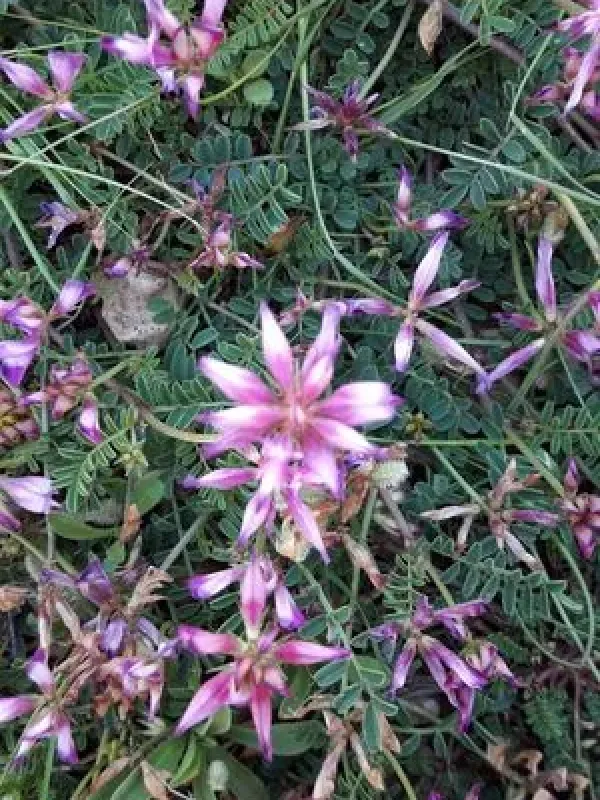
Description
Sowing dates
Hedysarum spinosissimum is typically grown as an annual crop, with sowing occurring in early spring once soil temperatures reach at least 10–12°C. This timing ensures that the soil is warm enough to trigger germination and prevent seedling dormancy.
Seed depth should be maintained between 2 to 3 centimeters to facilitate optimal moisture uptake. In drier regions, slightly deeper placement may be considered if surface soil moisture is insufficient for initial sprouting.
Seeding rates vary depending on the intended end-use of the field. For forage production, higher density is preferred to maximize biomass, while seed production plots require wider spacing to encourage lateral branching and pod development.
Scarification of seeds before planting is essential due to the natural hard-seededness of this species. This mechanical or chemical treatment drastically improves germination rates and ensures a more uniform stand establishment.
Row planting, with spacing of 25–30 centimeters, is recommended to allow for mechanical weeding. This practice is crucial in the early vegetative stages to minimize competition from weeds for water and soil nutrients.
Growing requirements
The plant thrives in well-drained, light-textured soils such as sandy loams or calcareous substrates. It is exceptionally well-adapted to alkaline soils and exhibits a high tolerance for varied soil pH levels.
As a xerophytic species, this legume is highly drought-tolerant, making it an excellent candidate for semi-arid environments. However, consistent rainfall during the active growth phase significantly boosts total biomass yield.
Full sun exposure is a non-negotiable requirement for optimal health. The plant does not perform well in shaded areas, as its photosynthetic pathways are tuned to high solar radiation levels common in its native Mediterranean range.
Being a legume, it forms symbiotic relationships with nitrogen-fixing bacteria in its root nodules. This enables the crop to thrive in nitrogen-poor soils, making it a valuable asset for sustainable crop rotation practices.
Waterlogging is extremely detrimental to this species, as it rapidly leads to root hypoxia and fungal rot. Therefore, selecting fields with excellent drainage is more critical than soil fertility enhancement strategies.
Yield
Yield capacity is strongly correlated with the availability of moisture and sunlight during the growing season. Under managed conditions, the crop produces nutrient-dense forage that is highly palatable for livestock.
The primary use of the biomass is for hay or silage, although it can be grazed when managed correctly. The nutritional value is highest just before the pods start to develop, ensuring a high protein content.
Seed yield is robust, especially when insect pollinator populations are active in the area during the flowering season. Harvesting should be carefully timed to coincide with maturity to maximize seed collection.
As a green manure crop, Hedysarum spinosissimum improves soil structure by adding organic matter and fixing atmospheric nitrogen. Its root system helps break up compacted soil layers, improving aeration for subsequent crops.
Integrating this crop into local farming systems provides a reliable source of high-quality feed, reducing dependence on expensive synthetic fertilizers and imported animal feed supplements.
Main diseases and pests
Fungal diseases are the primary threats, especially leaf spots and anthracnose, which flourish when humidity is high. These pathogens reduce the plant's leaf area, directly impacting biomass accumulation.
Root-knot nematodes and root rot can become issues if the soil is kept too wet for extended periods. Maintaining proper aeration and avoiding over-irrigation are the best preventative measures for soil-borne threats.
Certain insect pests, such as weevils, can attack the seeds and stems, causing damage to the reproductive organs. Monitoring during the budding stage allows for timely interventions if pest populations spike.
Aphid infestations can occur during the peak of flowering, leading to stunted growth and reduced seed quality. If necessary, selective insecticides that do not harm beneficial pollinators should be utilized.
Strategic crop rotation is the most effective management tool to break the life cycles of specific pathogens. Avoiding the planting of legumes on the same field for at least three seasons is highly advised.
Harvesting
Forage harvest is optimal during the full bloom phase, ensuring a balance between biomass quantity and nutritional quality. Delaying the harvest causes lignification of the stems, which decreases digestibility.
Seed harvest requires precise timing. The pods are prone to shattering, so collecting them as soon as they turn color is vital to minimize field losses, especially during windy or hot, dry weather conditions.
Mechanical harvesting equipment must be calibrated carefully to avoid fracturing the seeds. Utilizing headers designed for small seeds or grain legumes is recommended to improve the efficiency of the collection process.
Post-harvest drying must occur at low temperatures, ideally below 40°C, to preserve seed viability. Proper ventilation during the drying period prevents moisture buildup and subsequent mold growth.
Storage should be conducted in climate-controlled environments using moisture-proof containers. Maintaining a cool and dry environment ensures the seed remains ready for planting in the following season.