
Hedysarum grandiflorum
Hedysarum grandiflorum
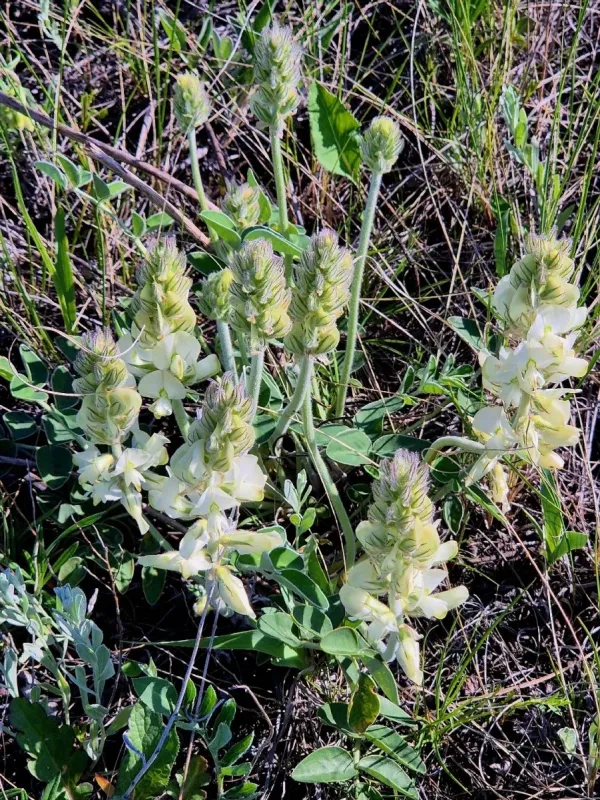
Description
Sowing dates
Hedysarum grandiflorum is a perennial herbaceous plant belonging to the Fabaceae family, adapted to survive in harsh, calcareous soil environments.
Sowing is recommended early in the spring when the soil temperature consistently reaches 8–10°C, ensuring optimal germination conditions.
Seed scarification is a crucial pre-sowing treatment because the seeds possess a hard seed coat that hinders water absorption and slows germination.
The seeds should be sown at a depth of 2–3 cm, either in rows or drilled, depending on the specific soil moisture levels and the site's topography.
Due to the slow initial growth rate during the first year, establishing the crop requires careful weed management to allow the plants to develop their root systems.
Growing requirements
This crop thrives in dry, stony, or calcareous soils where other forage species might struggle to survive due to nutrient deficiencies or lack of water.
It is classified as a xerophyte, meaning it is highly resistant to drought and requires minimal supplemental irrigation once established.
The plant demands excellent drainage; it is highly intolerant of waterlogging, which rapidly leads to root rot and premature stand thinning.
Full solar exposure is necessary for the development of its large, vibrant flowers and for maximizing the biomass yield per hectare.
Being a leguminous plant, it naturally fixes atmospheric nitrogen in a symbiotic relationship with bacteria, improving the soil quality for subsequent crops.
Yield
Hedysarum grandiflorum provides high-quality forage, which is rich in protein and essential minerals required for livestock development.
Yields are stable across long periods, as the plant acts as a perennial, capable of productive growth for over a decade if managed correctly.
Harvesting for hay should ideally occur at the onset of the flowering stage to strike the best balance between biomass quantity and feed quality.
While the first harvest provides the bulk of the annual yield, the plant displays moderate regrowth potential depending on late-season rainfall.
Seed production is an additional economic benefit, with the potential for substantial yields if pests are controlled during the reproductive cycle.
Main diseases and pests
While the plant is generally hardy, it can be susceptible to fungal diseases such as rust or leaf spot during periods of high humidity.
Weevil populations can pose a major threat, particularly by targeting the reproductive tissues and seeds, which can decimate seed production.
Root-feeding insects can also damage the subterranean parts of the plant, especially in younger stands during their establishment phase.
Integrated pest management strategies are recommended, focusing on crop rotation and the use of resistant seed varieties to minimize damage.
Monitoring the fields for early signs of infection is vital to preventing the spread of pathogens throughout the perennial grass cover.
Harvesting
Proper harvesting requires a focus on cutting height; leaving a stubble of 5–7 cm protects the plant crown and encourages faster spring recovery.
When harvesting for hay, mechanical handling should be minimized to avoid shattering the leaves, which are the most nutrient-dense part of the plant.
For seed harvesting, timing is essential; wait for the pods to turn brownish while ensuring they do not become brittle enough to shatter during cutting.
Post-harvest management involves proper drying and aeration to preserve the forage quality and prevent the development of mold during storage.
Efficient harvesting allows for better nutrient retention in the final product, ensuring higher value for livestock nutrition and marketability.