
Hedychium coronarium
Hedychium coronarium J. Koenig
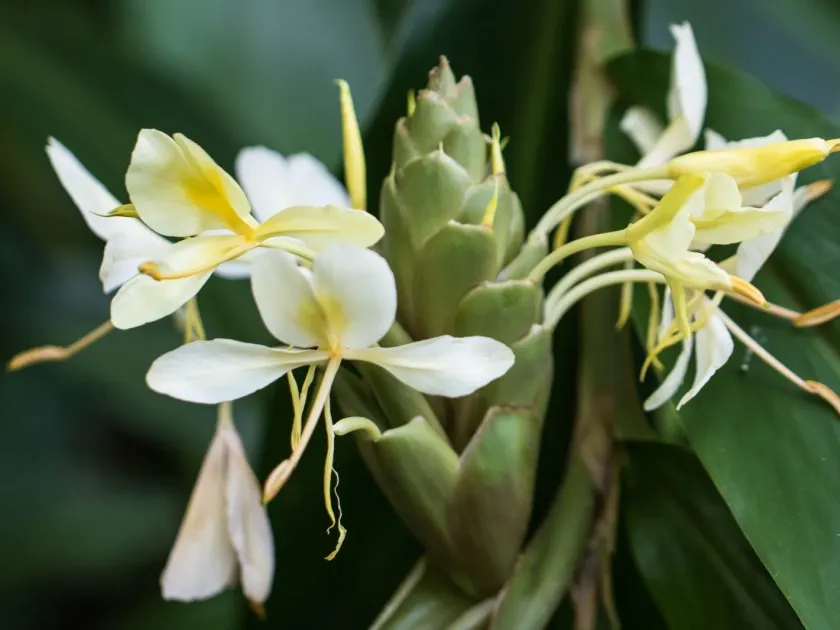
Description
Sowing dates
Hedychium coronarium is primarily propagated through the division of rhizomes, which is the most reliable method to ensure plant vigor and consistency. This procedure is best performed at the onset of the growing season.
When dividing the rhizomes, ensure that each segment contains several growth nodes or "eyes." This significantly accelerates establishment and ensures the development of a robust root system during the initial weeks of growth.
While seed propagation is possible, it is less common due to the extended period required to reach maturity. If seeds are used, they should be sown in a well-draining, warm potting mix to facilitate germination.
Proper spacing is crucial for commercial production. Planting at intervals of at least 60 centimeters allows for adequate light penetration and airflow, which are essential for high-quality flower production.
After planting, the soil should be kept consistently moist to encourage rapid root development. Establishing a strong root base early in the season is key to maximizing overall biomass and floral yield.
Growing requirements
As a member of the Zingiberaceae family, the white ginger lily thrives in warm, humid tropical environments. It requires temperatures consistently above 18 degrees Celsius for optimal growth.
This crop prefers fertile, well-draining soils with high organic matter content. It is sensitive to waterlogged conditions, which can lead to rapid rhizome rot if drainage is not properly managed.
Light levels are critical for the plant's health. While it appreciates bright light, direct exposure to harsh mid-day sun can scorch the foliage, so partial shade is often preferred.
High humidity is essential for maintaining vibrant foliage and healthy flower stalks. In drier regions, additional misting or irrigation methods are required to prevent leaf margins from browning.
Regular fertilization is necessary to support the plant's heavy nutrient demands. A balanced fertilizer program should focus on nitrogen for leaf growth and potassium for rhizome development.
Yield
The primary economic value of Hedychium coronarium lies in its highly fragrant flowers, which are distilled to produce premium essential oils for the perfume industry.
Beyond its aromatic properties, the plant is valued for its fibrous stems. These can be processed for high-quality paper production, providing a secondary source of income from the same crop.
The rhizomes are also utilized in traditional and modern medicinal applications due to their content of beneficial bioactive compounds, including specific terpenoids.
Maximizing yield requires meticulous attention to water management and soil fertility. Productive plantations can be maintained for several years if the rhizomes are managed correctly.
Harvest scheduling is vital; harvesting flowers during the peak of their fragrance profile is necessary to ensure the highest grade of end-product quality for commercial processing.
Main diseases and pests
Root rot is the most significant threat, typically caused by over-irrigation or inadequate drainage. Preventing water stagnation is the most effective management strategy for this disease.
Spider mites are common pests in greenhouse or arid outdoor conditions. They can cause severe damage to leaves, leading to chlorosis and reduced photosynthesis if not treated early.
Aphids can target developing flower spikes, sucking the sap and potentially transmitting viruses. Monitoring programs should focus on these tender tissues during the early flowering stage.
Mealybugs are known to shelter in the leaf axils, making them difficult to detect. Regular inspection and the use of targeted biological controls are recommended to manage populations.
General phytosanitary practices, such as sanitizing equipment and removing dead plant debris, significantly reduce the pressure from both diseases and common insect pests.
Harvesting
Flower harvesting is best conducted in the early morning hours when the fragrance oils are most concentrated. This maximizes the yield and quality for subsequent extraction processes.
Rhizomes are harvested during the plant's dormancy phase after the foliage has naturally yellowed. This ensures that the concentration of bioactive substances is at its peak.
Post-harvest handling of the rhizomes includes thorough cleaning and controlled drying. Slow drying in shaded, well-ventilated areas prevents mold growth and chemical degradation.
Stems collected for fiber processing should be dried properly to prevent rotting. Efficient fiber extraction depends on the moisture content remaining below critical levels during storage.
Effective logistics and cold chain management are essential when transporting fresh flowers to processing facilities to preserve the delicate volatile compounds in the petals.