
Harpochloa falx
Harpochloa falx
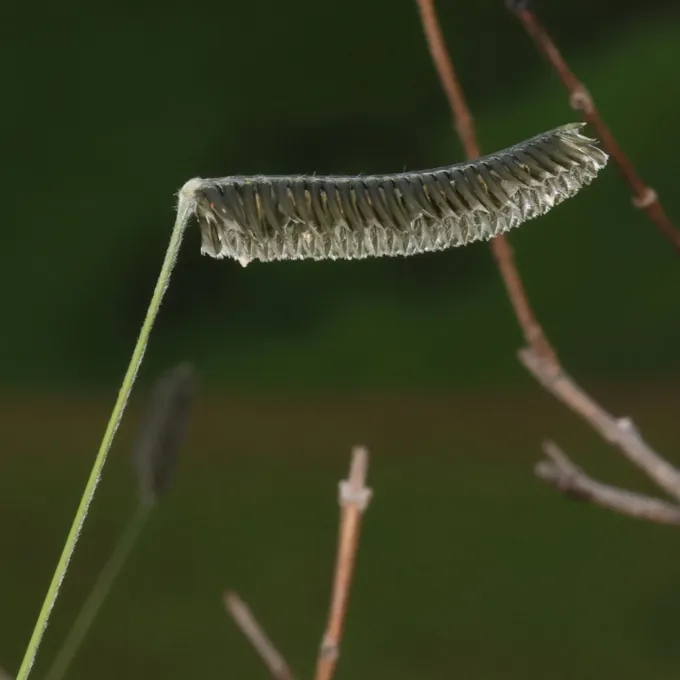
Description
Growing requirements
Harpochloa falx is a perennial grass belonging to the Poaceae family. It is native to the southern regions of Africa, where it thrives in open grasslands and mountain slopes, showcasing significant ecological adaptation.
The species is highly valued for its drought tolerance, making it an essential component of pasturelands in semi-arid environments. It grows as a dense tufted grass with slender leaves, contributing to a stable and durable ground cover.
Regarding soil requirements, Harpochloa falx exhibits high flexibility, growing well in various textures provided there is adequate drainage. It performs effectively in nutrient-poor soils, making it an excellent candidate for sustainable rangeland management.
The plant requires plenty of direct sunlight to maintain its physiological performance and tiller density. In its natural environment, it demonstrates resilience against wide temperature fluctuations between night and day.
Agricultural use is primarily centered on forage production. Livestock, particularly sheep and cattle, readily graze on this grass, and its ability to regrow following grazing events is a critical trait for sustainable livestock operations.
Main diseases and pests
Harpochloa falx can be susceptible to fungal leaf pathogens, such as rusts, particularly under conditions of high humidity or poor air circulation. Overgrazing can also weaken the root system, making the stand more vulnerable to secondary infections.
Insect pests, including grasshoppers and other chewing insects, may cause damage during peak dry seasons. Proper pasture management and strategic rest periods are recommended to protect the vigor of the plant population.