
Harpephyllum caffrum
Harpephyllum caffrum Bernh. ex C. Krauss
Description
Growing requirements
Harpephyllum caffrum, commonly known as the Kaffir plum, is an evergreen fruit-bearing tree belonging to the Anacardiaceae family. It is a robust species that can reach heights of up to 15 meters, characterized by its dense canopy and glossy, dark green pinnate leaves.
Originating from Southern Africa, the tree is typically found in evergreen forests and coastal regions. It thrives in warm, humid climates and prefers locations with abundant sunlight, though it can tolerate light shade during its early growth stages.
Successful cultivation requires deep, well-drained soil, preferably loamy or sandy loam with a neutral pH level. The species is highly sensitive to waterlogged conditions, which makes the selection of a site with proper drainage a fundamental requirement for long-term health.
Climatologically, this tree is suited for tropical and subtropical environments. It is sensitive to frost and extreme cold, meaning that in temperate zones, cultivation is limited to greenhouses or protected environments where temperatures remain above freezing.
Agronomic practices involve consistent irrigation during the establishment phase and active growing periods. Applying balanced organic fertilizers in early spring supports healthy growth and improves the tree's resilience against seasonal fluctuations.
Yield
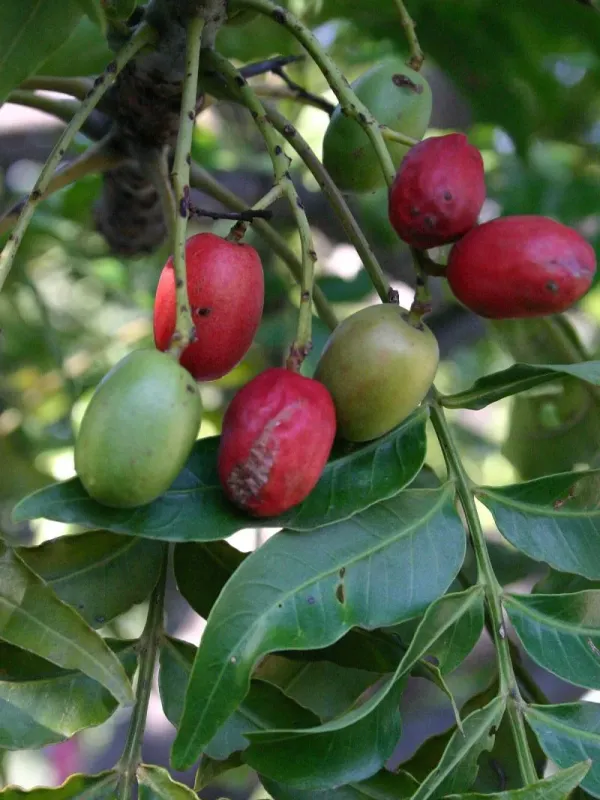
The primary economic output of Harpephyllum caffrum is its edible fruit, which is a bright red, oblong drupe. The pulp is succulent, with a tangy, tart-sweet flavor, making it highly suitable for producing high-quality jellies, jams, and preserves.
Yield productivity is tied to the age and maturity of the tree. When provided with optimal light and nutrient availability, mature trees can produce significant quantities of fruit, which are highly valued in local markets for both fresh consumption and processing.
Beyond its culinary utility, the timber of the Kaffir plum is prized for its high quality. It is dense, durable, and features an attractive grain, making it a desirable material for high-end carpentry, furniture production, and woodworking projects.
The tree serves an essential role in environmental conservation by providing a reliable food source for birds and mammals. In agricultural settings, it is often utilized as a multifunctional element, serving as both a windbreak and a source of biological diversity.
Research into the pharmaceutical potential of the plant, particularly regarding the properties of its bark and leaf extracts, indicates its future promise as a multifaceted agricultural commodity, adding value beyond traditional food and wood production.
Main diseases and pests
Harpephyllum caffrum generally possesses a high degree of natural immunity to most standard agricultural pests. However, poor air circulation in humid conditions may lead to fungal issues, such as powdery mildew or leaf spots, which necessitate regular monitoring.
Pests like aphids and scale insects occasionally infest the tender young shoots. Using targeted biological pest control measures is recommended to manage these populations without disrupting the surrounding ecosystem or harming beneficial pollinators.
Root rot represents the most significant threat to the plant, usually resulting from poor soil aeration and water stagnation. Maintaining the integrity of the soil structure and ensuring consistent but not excessive irrigation are key preventative strategies.
Mechanical injuries to the trunk or branches should be avoided at all costs, as these openings can become entry points for wood-boring insects and opportunistic pathogens that weaken the structural integrity of the tree.
Integrated pest management (IPM) practices, combined with good sanitation, including the removal of leaf debris around the base, effectively minimize these threats. Consequently, the tree requires minimal chemical input when cultivated under appropriate conditions.