
Harpagophytum zeyheri
Harpagophytum zeyheri
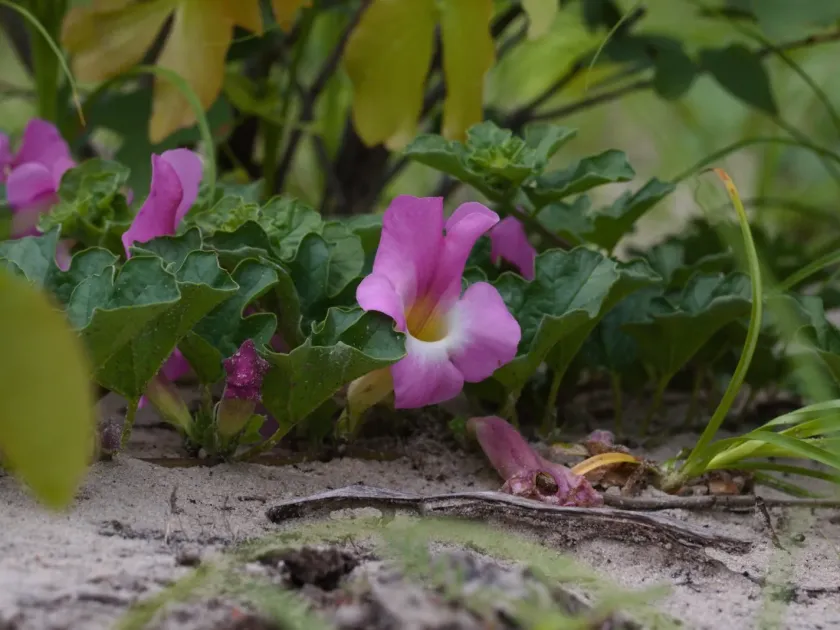
Description
Sowing dates
Harpagophytum zeyheri is a perennial herbaceous plant belonging to the Pedaliaceae family. In its natural habitat, seed dispersal is facilitated by specialized fruits with hooks that attach to the soil after the rainy season, allowing the seeds to germinate.
In a controlled cultivation setting, seeds are sown into a well-draining substrate. Because young seedlings are extremely sensitive to moisture, excellent drainage is critical to prevent the damping-off of young plants during the early developmental stages.
The seeds have a hard seed coat that requires scarification or soaking to improve germination rates. Ensuring uniform emergence is key to achieving a stable density within the plantation, which in turn affects the future development of the root system.
The ideal temperature for sowing is between 20 and 25 degrees Celsius. Sowing is timed to coincide with the arrival of stable warm weather, which allows the seedlings to establish deep root systems before the onset of any potential environmental stress.
Spacing between rows should be maintained at 50–70 centimeters. This distance ensures adequate airflow and light penetration, which is vital for maintaining plant health and preventing the development of fungal diseases within the dense canopy.
Growing requirements
Originating from the arid and semi-arid regions of Southern Africa, this plant is perfectly adapted to desert-like conditions. It thrives in environments where other crops would fail, making it a viable option for sustainable agriculture in dry climates.
Sandy or loamy-sand soils with deep profiles are the best choice for this crop. It is essential to avoid heavy, clay-rich soils, as these retain too much moisture, which inevitably leads to the rotting of the valuable secondary tubers.
The plant requires full sun exposure throughout the day. High light intensity is a direct trigger for the production of harpagoside, the primary medicinal compound, making shade an undesirable factor in the selection of a planting site.
The soil pH should ideally be neutral or slightly acidic. The plant has a high water-use efficiency, and irrigation should only be applied during extreme droughts, taking care not to saturate the soil surface, which can cause physiological damage.
Being a tropical species, it is highly sensitive to freezing temperatures. Any exposure to frost will kill the above-ground biomass and can damage the root system, thus restricting its cultivation to frost-free geographical zones.
Yield
The commercial output of the crop is derived from the secondary tubers, which act as storage organs for essential bioactive compounds. The maturation period for a profitable harvest typically ranges from 3 to 5 years, requiring long-term land commitment.
The final yield is heavily dependent on soil structure, age, and sunshine hours. Advanced agronomic practices, such as micronutrient supplementation, can significantly increase the tuber mass compared to wild-harvested specimens.
Managing the plant's energy distribution is crucial; farmers must balance the growth of the vegetative leaf rosette with the expansion of the underground tubers. Proper fertilization strategies focus on strengthening the roots rather than promoting excessive foliage.
After the harvest, the tubers must undergo immediate cleaning and preparation. The quality of the post-harvest process directly impacts the concentration of the active ingredients, which determines the market value of the raw material.
Current agricultural innovation focuses on the development of fast-maturing cultivars. These improved varieties aim to shorten the production cycle, ensuring a more reliable supply chain for the global pharmaceutical and nutraceutical industries.
Main diseases and pests
The primary threat to Harpagophytum zeyheri is root rot caused by poor water management. Excess moisture in the soil profile facilitates the proliferation of pathogens such as Fusarium and Phytophthora, which can destroy the tuber harvest.
Powdery mildew is a potential risk to the leaves in areas with high humidity. Maintaining proper plant spacing and ensuring good ventilation is the most effective preventative measure against such fungal outbreaks in the fields.
Soil pests like wireworms can damage the tubers, potentially leading to secondary infections. Integrated pest management strategies are often implemented to control these threats without the heavy use of synthetic chemicals that could affect the product's quality.
Nematodes represent a significant challenge as they attack the root system, leading to stunted growth and reduced crop yields. Soil testing for nematode populations is recommended before establishing a new plantation to avoid long-term issues.
Weeds are particularly aggressive competitors for nutrients and water in the first year of growth. Consistent manual or mechanical weeding is essential to prevent the suppression of young seedlings and ensure robust plant development.
Harvesting
Harvesting is performed once the plants reach technical maturity. The extraction of tubers is usually done with specialized machinery that lifts the plants gently, ensuring that the tubers remain intact and free from mechanical bruising.
Once harvested, the tubers are cleaned of soil and debris, then sliced into smaller sections. Slicing is a critical step that increases the surface area, allowing for faster moisture loss during the drying process and preventing mold growth.
Drying must be conducted in controlled conditions at temperatures below 50 degrees Celsius. Excessive heat can degrade the heat-sensitive bioactive compounds, so professional drying equipment is far superior to traditional sun-drying methods.
The final product must be dried to a crisp consistency to ensure stability during storage. Proper drying prevents the buildup of moisture, which is the main cause of raw material spoilage during transit to processing facilities.
Storage should occur in dry, well-ventilated warehouses. Proper packaging is necessary to keep the dried material moisture-free, ensuring the potency of the harpagoside content is maintained for up to two years after harvest.