
Hardwickia binata
Hardwickia binata
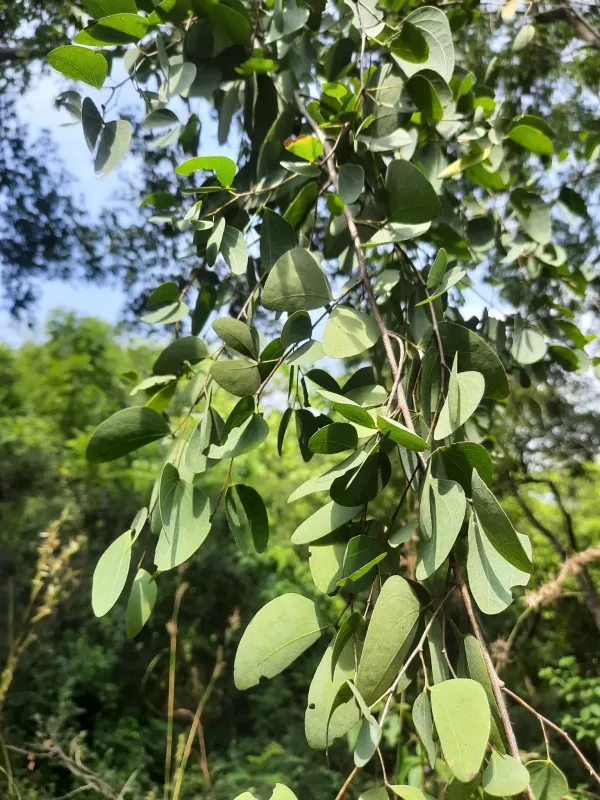
Description
Sowing dates
Hardwickia binata is primarily propagated through seeds, as vegetative methods like grafting or cutting have shown limited commercial success.
Seeds are harvested from mature pods; once the pods turn brown, they must be collected before they dehisce and scatter the seeds on the ground.
The optimal sowing time coincides with the beginning of the monsoon season, which provides the necessary moisture for early stage development.
To improve germination rates, seeds should be soaked in water for approximately 12 to 24 hours prior to sowing in nursery beds or individual containers.
Seedlings are typically kept in the nursery for 6 to 12 months, allowing them to develop a robust root system before being outplanted into the field.
Growing requirements
Belonging to the Fabaceae family, this species is a hardy, drought-tolerant tropical tree well-suited for regions with distinct dry seasons.
The tree thrives in various soil types, including rocky and shallow soils, but performs best in deep, well-drained loamy soils with neutral pH.
Hardwickia binata is a strictly heliophilous species, requiring full sun exposure to reach its maximum growth potential and develop a straight stem.
It prefers warm temperatures between 25 and 35 degrees Celsius and can withstand prolonged periods of extreme heat without significant loss of vitality.
Proper spacing is crucial in plantation settings to ensure adequate airflow and light penetration, which prevents the development of lower-stem defects.
Yield
The species is highly valued for its timber, which is considered one of the hardest, heaviest, and most durable woods available in the tropics.
Leaves of Hardwickia binata are extensively used as high-quality fodder for livestock, serving as a critical resource during the peak of the dry season.
The timber is utilized in heavy construction, bridge building, and for manufacturing agricultural implements that require extreme wear resistance.
The bark of the tree provides fibers used for ropes and cordage, showcasing the multipurpose nature of this agricultural crop in local economies.
- The wood is naturally resistant to decay and termite attack, making it an excellent choice for outdoor structural applications.
Main diseases and pests
Young saplings are highly vulnerable to browsing by goats, sheep, and cattle, necessitating protective fencing during the first few years of establishment.
Root rot, caused by poor drainage and waterlogging, is a major concern that can lead to rapid decline in plantation health.
Defoliating insects can occasionally attack the foliage, though mature trees generally exhibit high tolerance to minor pest infestations.
Stembarking by rodents or mechanical injuries can introduce secondary fungal infections that compromise the quality of the timber over time.
Maintenance of sanitation within the plantation, including the removal of deadwood, is essential to minimize the risk of pest and disease outbreaks.
Harvesting
Harvesting timber is a long-term investment, as the tree exhibits a slow growth rate, often requiring several decades to reach harvestable dimensions.
Fodder is harvested through systematic pruning and lopping of branches, which, when performed correctly, allows the tree to recover its canopy over time.
Selective harvesting is the preferred management strategy, focusing on removing mature trees while ensuring the regeneration of younger cohorts.
Seed collection must be timely; laborers often climb the trees to harvest pods manually to prevent the loss of seeds when pods explode upon drying.
Post-harvest, the timber requires slow, controlled seasoning to prevent splitting and checking, due to the extreme density of the wood fibers.