
Purple coral pea
Hardenbergia violacea
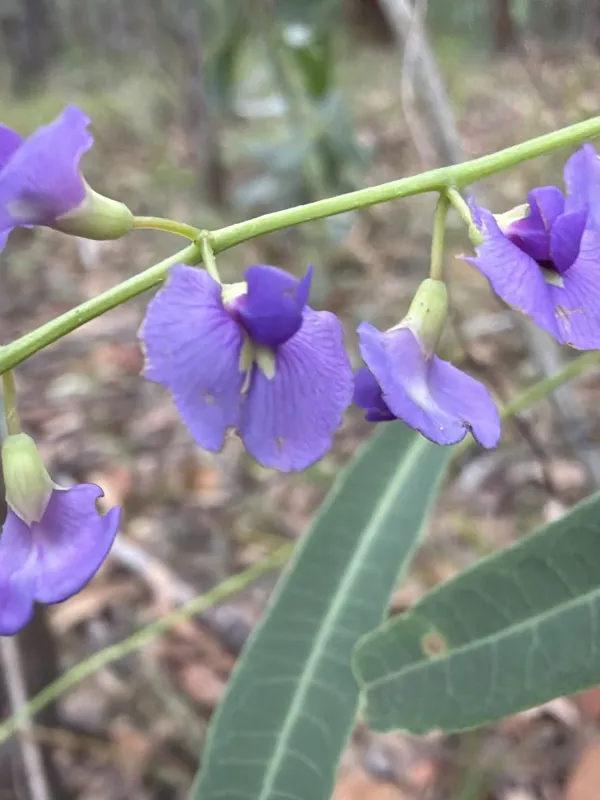
Description
Growing requirements
Hardenbergia violacea, commonly known as purple coral pea, is a perennial evergreen climber belonging to the Fabaceae family. Native to Australia, this plant is well-adapted to various environments, ranging from open forests to rocky scrublands.
Cultivation requires a position that receives plenty of bright, filtered light. While it enjoys sunlight, providing shade during the hottest hours of the day prevents leaf scorch and helps maintain a healthy, vibrant appearance for the foliage.
The ideal soil for this species must be well-drained and slightly acidic to neutral. Since it originates from regions with specific rainfall patterns, it is crucial to avoid waterlogged conditions, which can lead to rapid root decay and plant failure.
Agrotechnical maintenance includes providing sturdy supports, such as trellises or arbors, for the plant to climb. Regular pruning after the flowering season encourages denser growth and promotes a more prolific bloom for the following year.
Economically, this plant is highly valued in the nursery trade as an ornamental specimen for vertical gardening. It is especially popular in temperate climates for its ability to provide stunning displays of violet-blue flowers during the winter months.
Main diseases and pests
The most common pests affecting Hardenbergia violacea include spider mites and scale insects. These pests often thrive in environments with low humidity, and they can cause significant damage to the foliage if left unchecked for extended periods.
Root rot is the most prevalent disease, typically resulting from poor soil drainage or excessive irrigation. It is essential to ensure that the potting medium or garden soil dries out slightly between watering cycles to maintain root health.
To prevent infestations, gardeners should practice regular inspection of the leaves, specifically focusing on the undersides where pests prefer to hide. Using horticultural oils or insecticidal soaps can be effective for managing minor pest outbreaks.
Proper air circulation is critical for preventing fungal diseases and powdery mildew. Planting the vines with adequate spacing and avoiding dense, overcrowded clusters ensures that moisture does not accumulate on the leaves, reducing infection risks.
Maintaining a balanced nutritional regime contributes to the overall vigor and disease resistance of the plant. A healthy, robust vine is significantly better equipped to recover from minor pest attacks compared to a nutrient-deprived specimen.