
Hancea integrifolia
Hancea integrifolia
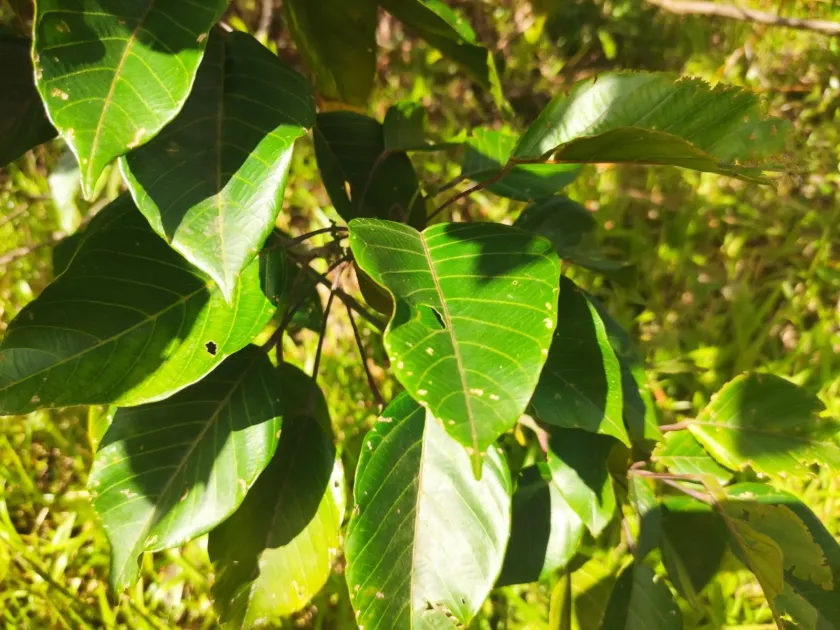
Description
Growing requirements
Hancea integrifolia is a perennial herbaceous plant belonging to the diverse Euphorbiaceae family. Originating from tropical forest understories, the plant displays specialized botanical characteristics, including entire leaf margins which distinguish it from other genus members.
The climate requirements for this culture are strictly tropical or subtropical, demanding a frost-free environment throughout the year. It thrives in high-humidity settings where temperatures remain consistent, mimicking the stable conditions of its natural habitat in Southeast Asia.
Regarding soil conditions, Hancea integrifolia requires a well-draining, nutrient-rich substrate. It is highly sensitive to waterlogging, which necessitates the use of coarse aggregate materials in the soil mix to prevent root zone suffocation and subsequent fungal pathogen development.
Cultural techniques involve careful light management, favoring bright but diffused light conditions to prevent leaf scorching. In professional nursery settings, the use of shading nets is standard practice to maintain optimal photosynthetic activity without thermal stress.
While primarily cultivated in botanical collections, the species holds interest for its secondary metabolites. Research continues into the broader хозяйственное applications of the genus, focusing on both ornamental value and potential bioactive compounds present within the plant's tissues.