
Hampea stipitata
Hampea stipitata
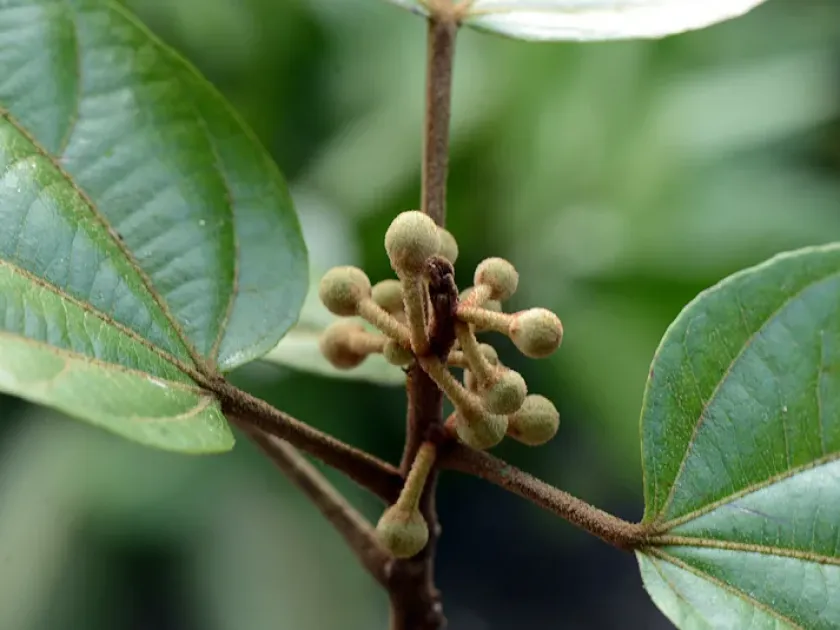
Description
Sowing dates
Hampea stipitata belongs to the Malvaceae family and thrives in tropical environments. Propagation is typically achieved through seeds, which should be planted at the start of the rainy season to benefit from natural moisture levels.
For commercial cultivation, seeds require a well-draining substrate rich in organic matter. Maintaining a steady soil temperature between 22 and 25 degrees Celsius is essential for high germination rates.
Seedlings are best raised in controlled nursery environments. Transplanting should occur once the plants develop their second pair of true leaves to ensure robust root development before field establishment.
Proper spacing during planting is crucial to allow the canopy to develop fully. This spatial arrangement facilitates optimal photosynthesis and prevents competition between neighboring trees.
Young transplants require shading for the first few weeks to protect them from excessive solar radiation, allowing the plant to acclimatize to the local microclimate.
Growing requirements
As a tropical species, Hampea stipitata is strictly heat-dependent and cannot survive in regions with frost or prolonged cool temperatures. It requires a stable, warm climate throughout the year.
The crop prefers fertile, loamy soils with a balanced pH. Good soil aeration is critical, as stagnant water in the root zone often leads to the rapid development of fungal pathogens.
High humidity and consistent water supply are vital. While the plant can withstand short periods of dryness, long droughts will lead to significant physiological stress and reduced biomass production.
The tree thrives under bright, filtered light. While mature trees can handle direct sun, excessive intensity during the early stages of growth can result in leaf burn and stunted development.
Regular fertilization with organic and mineral nutrients supports the rapid growth rate required for fiber production, ensuring the plant remains vigorous during its active vegetation phase.
Yield
The primary economic value of Hampea stipitata is derived from its bast fibers. Yield potential is influenced by the tree's age, planting density, and the implementation of effective pruning techniques.
The fruit of the tree consists of dry, dehiscent capsules. The seed yield varies by climate and seasonal conditions, requiring careful timing to maximize harvest success.
The species is known for its ability to produce significant biomass, which can be harvested periodically if managed correctly. Controlled pruning stimulates the growth of new, high-quality fiber-bearing shoots.
Overall yields on a plantation scale are calculated based on tree maturity and health. Intensive management, including systematic nutrient applications, helps maintain consistent production cycles.
By optimizing the harvest schedule, growers can ensure that both fiber quality and reproductive health of the plantation are balanced, providing long-term sustainability for the crop.
Main diseases and pests
Fungal infections are the most significant threat to this crop, particularly in poorly drained soils. Root rot often occurs when water management practices are neglected during wet periods.
Foliar diseases, such as leaf spot, can appear if air circulation within the plantation is restricted. Maintaining proper pruning and thinning is essential to keep the tree canopy healthy and dry.
Various insects, including aphids and leaf-eating beetles, represent common pest threats. Early detection through regular field scouting allows for targeted and effective mitigation.
Integrated Pest Management (IPM) strategies are recommended to keep the plantation healthy while minimizing chemical inputs and preserving local biodiversity.
Weed management around the base of the trees is crucial to prevent resource competition. Utilizing mulch helps suppress weed growth while simultaneously maintaining optimal soil moisture levels.
Harvesting
Harvesting for fiber is carried out during periods of reduced vegetative activity to ensure the quality of the raw material. Precision in harvesting tools prevents damage to the tree's vascular system.
Seed harvesting should be timed to occur just before the capsules naturally split. This minimizes the risk of seed dispersal and ensures the total capture of the genetic material.
All harvesting equipment must be sanitized to prevent the transmission of pathogens between trees. Wound care on the tree trunk after harvesting branches can facilitate faster recovery.
Post-harvest processing involves cleaning, sorting, and drying the seeds or fibers. Proper storage in dry, well-ventilated conditions is mandatory to maintain quality and viability.
Traditional and modern harvesting techniques emphasize the importance of sustainable tree usage, ensuring that the plant remains productive throughout its natural lifespan.