
Witch hazel
Hamamelis virginiana L.
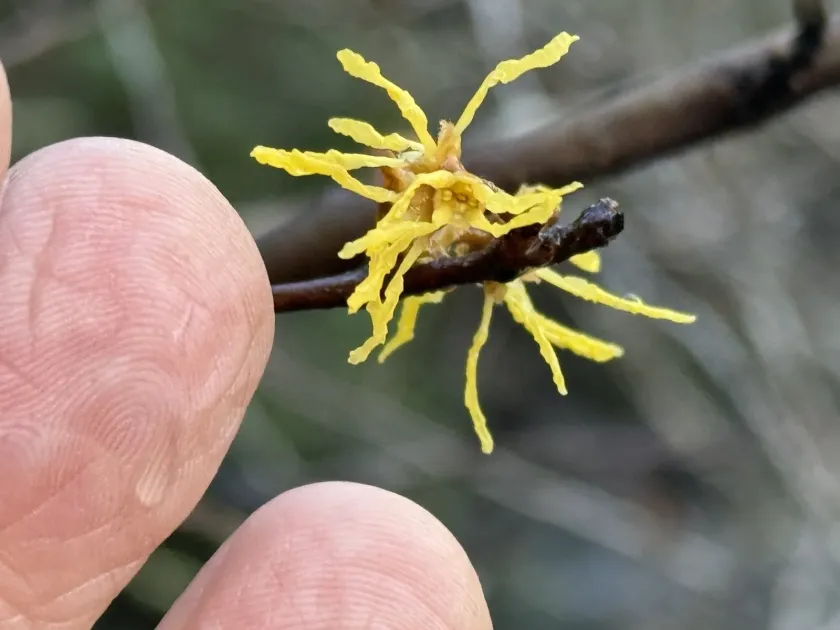
Description
Sowing dates
Propagation of Hamamelis virginiana is primarily achieved through seeds or vegetative methods like cuttings and layering. Seed dormancy is a natural challenge that requires prolonged stratification to ensure successful germination.
For seed propagation, sowings are typically done in autumn to allow for natural seasonal cold exposure, which is necessary to break the embryos' deep dormancy.
Vegetative propagation is preferred in commercial nurseries as it maintains the genetic consistency of superior varieties, shortening the time until the first harvestable yield.
When transplanting saplings, ensure sufficient spacing between plants to allow for proper air circulation and crown development, which is critical for healthy leaf production.
Young plants require consistent monitoring for moisture levels and weed control, as they are susceptible to competition during their initial establishment phase.
Growing requirements
Witch hazel belongs to the Hamamelidaceae family and is a deciduous shrub native to the woodlands of eastern North America, where it thrives in diverse soil conditions.
The crop prefers rich, moist, and well-drained soils that are slightly acidic. Proper site selection is vital to prevent root rot in overly saturated conditions or drought stress.
This plant is known for its remarkable hardiness and ability to thrive in temperate climates, though it benefits from shelter against harsh, drying winds in colder regions.
While the plant can tolerate partial shade, optimal growth and secondary metabolite production in the leaves are often observed in sites with adequate sun exposure.
Soil nutrient management should focus on maintaining organic matter content, which supports the shallow, fibrous root system typical of this shrub species.
Yield
The primary economic output of Hamamelis virginiana consists of bark and foliage, which are harvested for their therapeutic tannins, flavonoids, and essential oils.
The yield is processed primarily into extracts and distillates widely utilized in the pharmaceutical and skincare industries for their astringent and anti-inflammatory properties.
Commercial yields depend heavily on the maturity of the plants, with mature shrubs providing a sustainable source of bark when managed through controlled pruning cycles.
Leaf harvesting efficiency is optimized by selecting peak growth periods, ensuring high concentrations of active compounds while allowing the plant to recover for subsequent years.
Processing yields must be handled with care, as the volatile components are sensitive to heat and improper oxidation, which can diminish the market value of the final product.
Main diseases and pests
Hamamelis virginiana is generally resistant to major pests and diseases, making it a highly suitable candidate for low-input or organic farming systems.
Powdery mildew may occur in poorly ventilated or excessively humid conditions; therefore, proper pruning to allow light and airflow into the center of the shrub is essential.
Pest issues are usually sporadic, with occasional sightings of aphids or leaf-feeding caterpillars that rarely require heavy chemical intervention if biodiversity is maintained.
Integrated pest management strategies focusing on early detection and physical removal of infested branches are typically sufficient to keep the crop healthy.
Maintaining soil health and avoiding over-fertilization helps preserve the natural vigor of the shrubs, strengthening their defense against potential pathogens.
Harvesting
Harvesting should be conducted in dry conditions to prevent the growth of mold, which can rapidly degrade the quality of both bark and leaf raw materials.
Bark is typically harvested in early spring to coincide with high sap activity, making it easier to peel while maximizing the yield of active chemical constituents.
Post-harvest handling requires immediate cooling or drying to halt enzymatic degradation, which can otherwise lead to a loss of the characteristic medicinal potency.
Drying processes utilize controlled temperature settings, generally around 40-50°C, to ensure the product remains stable for long-term storage and distribution.
Proper storage conditions are essential: keeping the dried material in airtight, light-protected containers to preserve its integrity for industrial processing.