
Halopyrum mucronatum
Halopyrum mucronatum
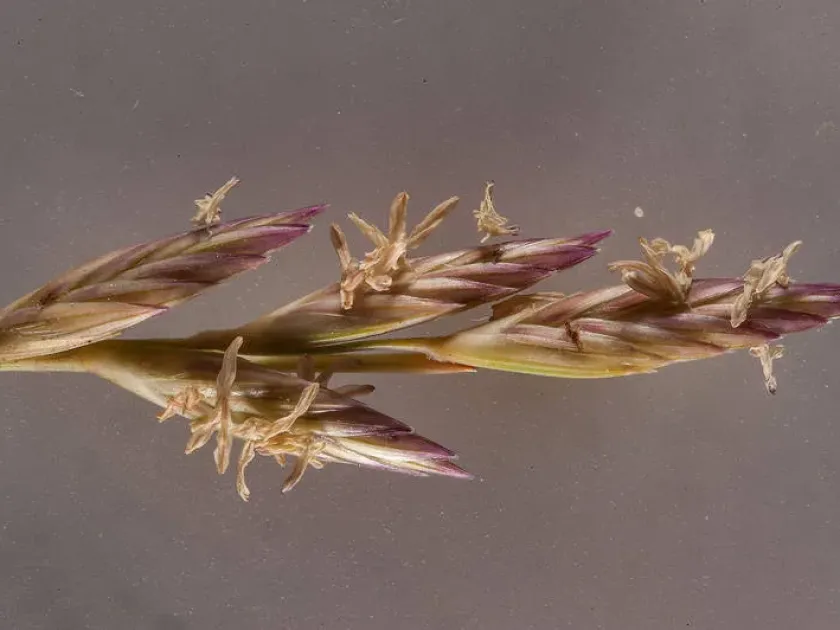
Description
Growing requirements
Halopyrum mucronatum is a perennial grass species belonging to the Poaceae family. It is a highly specialized halophyte recognized for its ability to thrive in extreme coastal environments where soil salinity is prohibitively high for most other vegetation.
The plant is native to the coastal sand dunes of the Indian Ocean, the Persian Gulf, and the Red Sea. Its evolutionary adaptation allows it to flourish in sandy substrates characterized by shifting dunes and high wind exposure.
Regarding soil requirements, this species favors well-drained, sandy, and saline-alkali soils. It is exceptionally tolerant to salt spray, which is a limiting factor for the majority of non-halophytic terrestrial plants.
The agronomic management of this species focuses on its potential for phytoremediation and sand dune stabilization. Its extensive rhizome network acts as a natural binder, preventing sand erosion and protecting shorelines.
Climatic requirements involve high solar radiation and warm temperatures typical of tropical and subtropical zones. While the plant shows remarkable drought resistance, its optimal growth is supported by access to shallow groundwater reserves.
Main diseases and pests
The primary biotic threats to Halopyrum mucronatum include fungal infections that occur during periods of prolonged saturation, which can lead to root system decay in poorly aerated sands.
Insect pests, such as locusts and various grasshopper species, represent a significant threat to the vegetative biomass, often consuming the foliage during rapid population growth phases.
Overgrazing by camels and other livestock significantly impairs the plant's ability to regenerate, leading to the destabilization of dune structures and eventual desertification of coastal strips.
Viral pathogens may cause growth stunting, often transmitted by hemipteran insects that utilize the grass as a habitat, necessitating regular field health monitoring.
Environmental stressors, such as oil pollution or chemical discharge in coastal areas, can induce oxidative stress, making the population more susceptible to secondary pathogenic attacks.