
Halophytum ameghinoi
Halophytum ameghinoi
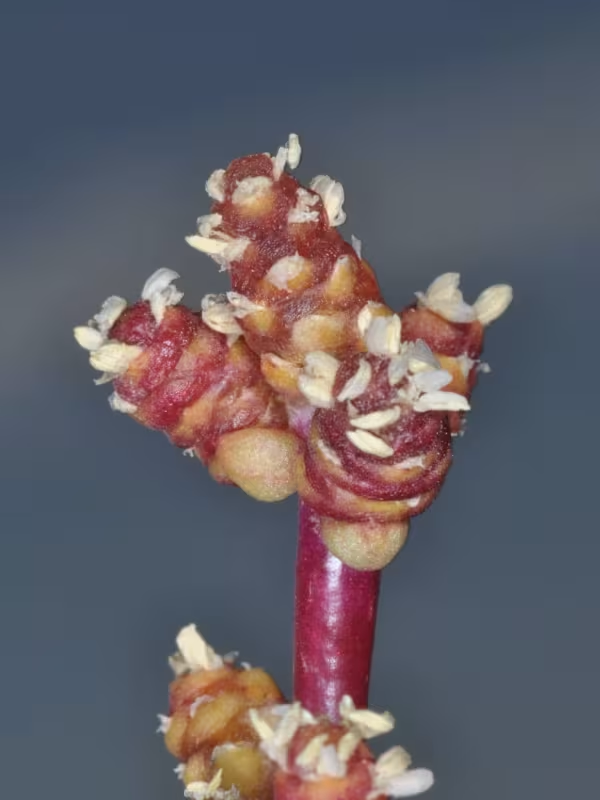
Description
Sowing dates
Halophytum ameghinoi is an endemic species from the Patagonian region, and its sowing cycle is naturally aligned with the harsh climate of the Southern Hemisphere. The seeds typically require a cold stratification period to break dormancy and ensure uniform germination.
For cultivation purposes, sowing is best performed in early spring once soil temperatures have stabilized above 10-12 degrees Celsius. The seeds are small and should be placed at a shallow depth of approximately 1 to 2 centimeters for optimal emergence.
During the initial growth phase, moisture control is critical. Unlike mature plants, seedlings are highly sensitive to osmotic shock and require fresh or low-salinity water to establish a robust root system before being gradually introduced to saline conditions.
Spacing requirements should respect the plant's growth habit, which involves a compact but spreading structure. Adequate space is necessary to prevent intra-crop competition for light and to ensure proper airflow, which reduces the risk of fungal pathogens.
The transition to saline irrigation must be systematic. Abrupt changes in water mineral content can stress young plants; therefore, growers should increase salinity levels incrementally as the plants progress through their vegetative stages.
Growing requirements
Halophytum ameghinoi belongs to the family Halophytaceae, which is renowned for its members' exceptional ability to thrive in hyper-saline environments. This plant has evolved specialized physiological mechanisms to manage high intracellular salt concentrations.
The species requires full sun exposure to maintain its high photosynthetic rate. It is particularly well-suited for arid environments where solar radiation is intense and cloud cover is minimal, characteristic of the Patagonian steppe.
Soil requirements are non-traditional compared to most crops. The plant thrives in well-drained, sandy, or gravelly soils with high levels of mineral salts. Soil aeration is significantly more important than nutrient richness in the traditional agricultural sense.
Climate adaptability is one of the species' defining traits. It can withstand intense winds, extreme drought, and wide fluctuations in temperature between day and night, making it a potential candidate for extreme agricultural zones.
Water management is the most critical technical aspect. While it thrives on salt, it requires a careful balance to ensure the substrate remains aerobic. Without proper drainage, the root system can suffer from physiological drought or rot.
Main diseases and pests
Halophytum ameghinoi is naturally resistant to many agricultural pests due to the high concentration of minerals in its tissues, which acts as a natural deterrent against many herbivores and insects.
The primary threats to this crop are soil-borne pathogens, specifically those that trigger root rot. These occur most frequently in stagnant water conditions where the soil is allowed to remain saturated for extended periods.
Environmental stress, such as sudden shifts in humidity or lack of proper ventilation in greenhouse settings, can make the plants more susceptible to opportunistic fungal infections, affecting the foliage.
In cases of poor plant health, growers should inspect the root collar and lower stems. Early detection of decay allows for corrective action, typically involving improved drainage and reduced watering frequency.
Integrated pest management for this crop focuses primarily on habitat optimization rather than chemical treatment, given the plant's unique biology and the sensitivity of the saline-tolerant environment.