
Common barbgrass
Hainardia cylindrica
Description
Growing requirements
Common barbgrass (Hainardia cylindrica) is an annual grass species belonging to the Poaceae family. It is widely recognized for its high tolerance to saline environments and marginal soils, making it a unique member of the coastal flora.
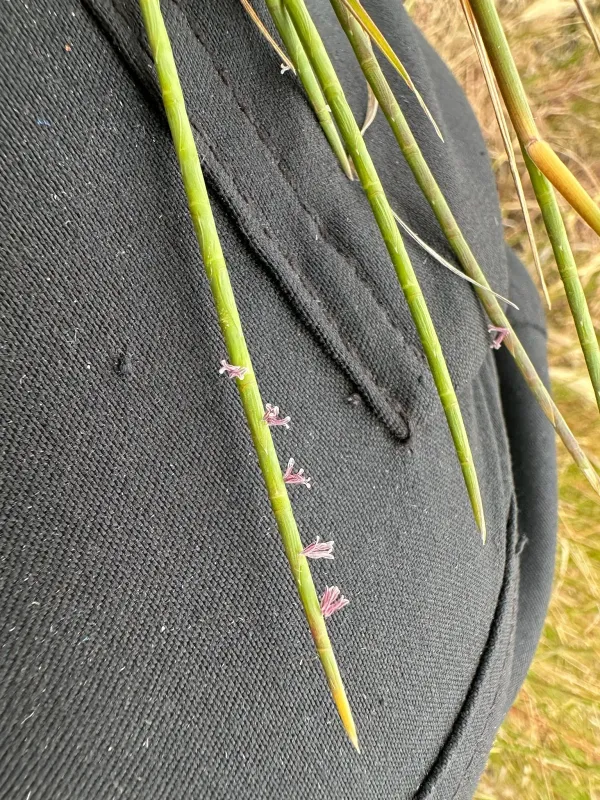
The botanical structure of the plant features thin, cylindrical spikes that give it a characteristic appearance. As the plant matures, the spikelet segments disarticulate, facilitating the dispersal of seeds in its native Mediterranean habitats.
Regarding environmental requirements, this grass thrives in sandy and saline soils. It is well-adapted to coastal marshes and salt pans, where its physiology allows it to maintain osmotic balance despite high levels of soil salinity.
From an ecological perspective, the plant serves as a vital component in stabilizing shifting sands. Its root system helps in soil retention, which prevents erosion in areas that are unsuitable for standard crop production.
In agricultural practice, it is primarily valued for its utility in extensive grazing systems. Its resilience allows it to persist under harsh climatic conditions, providing stable, albeit low-volume, forage in arid coastal zones.