
Haematoxylum campechianum
Haematoxylum campechianum L.
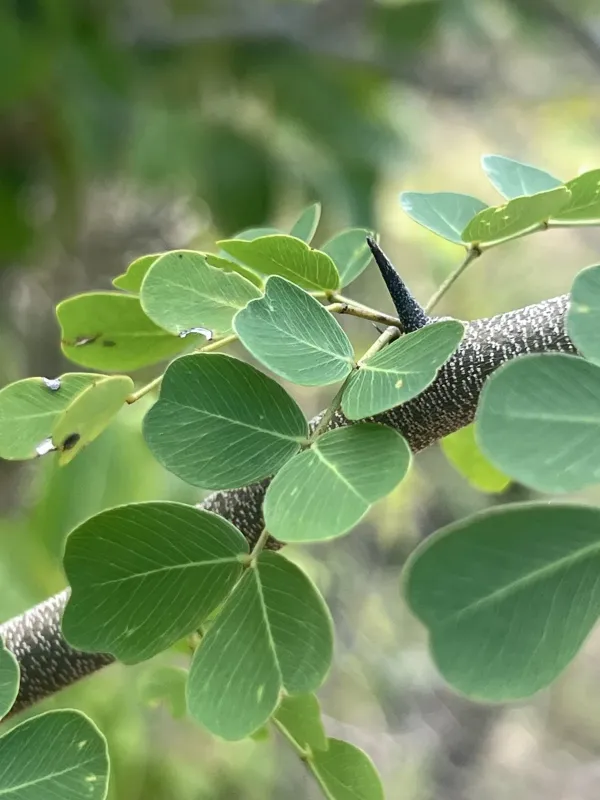
Description
Sowing dates
The propagation of Haematoxylum campechianum is primarily achieved through seeds, which must be sown in well-prepared nursery beds. Seeds require scarification to ensure uniform germination rates due to their hard outer coat.
The optimal sowing time aligns with the beginning of the rainy season, providing the seedlings with sufficient natural irrigation to establish themselves during the initial growth phase.
Seedlings are typically transplanted to the field when they reach a height of approximately 30 to 50 centimeters. Adequate spacing is essential to prevent overcrowding as the trees develop their characteristic spreading crowns.
Early-stage growth is generally slow, necessitating diligent maintenance and protection against environmental stress during the first two years of the tree's life.
Weed management around the base of the trees is crucial during the early years to ensure that young saplings do not compete for essential nutrients and moisture.
Growing requirements
This tree belongs to the Fabaceae family and is native to tropical regions. It thrives in warm, humid climates and is highly sensitive to frost, requiring year-round temperatures above +20°C.
The species demonstrates a preference for well-drained limestone or sandy soils, although it is adaptable to various soil types, including slightly saline or swampy environments.
Full sun exposure is a critical requirement for optimal development and for the production of high-quality heartwood, which contains the sought-after natural pigment.
While mature trees exhibit significant drought tolerance, consistent moisture during the growing season is beneficial for accelerating biomass accumulation.
Proper soil management, including the maintenance of neutral or slightly alkaline pH levels, supports the healthy growth and longevity of the plantation.
Yield
The economic value of Haematoxylum campechianum lies primarily in its heartwood, which is the source of the natural dye hematoxylin. Yield is determined by the age of the tree, typically requiring 15–20 years to reach commercial maturity.
Harvestable yield is measured by the volume of dense heartwood extracted from the core of the trunk, where the concentration of pigments reaches its peak.
Beyond dye production, the wood is highly prized for its durability, hardness, and resistance to decay, making it a valuable resource for fine cabinetry and artisan woodworking.
Sustainable plantation management allows for a rotational harvesting system, ensuring a continuous supply of wood while maintaining the health of the surrounding ecosystem.
- High content of valuable hematoxylin pigment.
- Exceptional durability and structural strength.
- Resistance to various environmental degrading agents.
Main diseases and pests
Haematoxylum campechianum is naturally resilient to many pests due to the high concentration of tannins and resinous compounds within its tissues.
Fungal infections can occur if the trees are planted in areas with poor ventilation or consistently high humidity, which promotes the growth of pathogens on the foliage and branches.
In certain regions, wood-boring insects and termites may pose a threat to older or weakened trees, requiring routine phytosanitary inspections of the plantation.
Good silvicultural practices, such as timely pruning of dead wood and maintaining adequate spacing, serve as the primary defense against potential disease outbreaks.
Intervention with chemical treatments is rarely necessary and is only recommended in cases of severe localized infestation to protect the overall vitality of the stand.
Harvesting
Harvesting involves the selective felling of trees that have reached sufficient technical maturity, characterized by a deep, dark coloration of the inner heartwood.
Post-harvest processing includes the removal of bark and sapwood, isolating the dense heartwood core which is the primary raw material for industrial dye extraction.
The harvested logs are typically dried under controlled conditions to reduce moisture content before being chipped or ground into fine powder for pigment extraction.
Modern logging techniques aim to preserve the root structure where possible, potentially allowing for secondary growth or coppicing, which is beneficial for plantation regeneration.
The extracted heartwood is transported to processing facilities where advanced chemical processes are used to isolate and refine the hematoxylin for use in textiles and laboratory stains.