
Haematococcus
Haematococcus
Description
Growing requirements
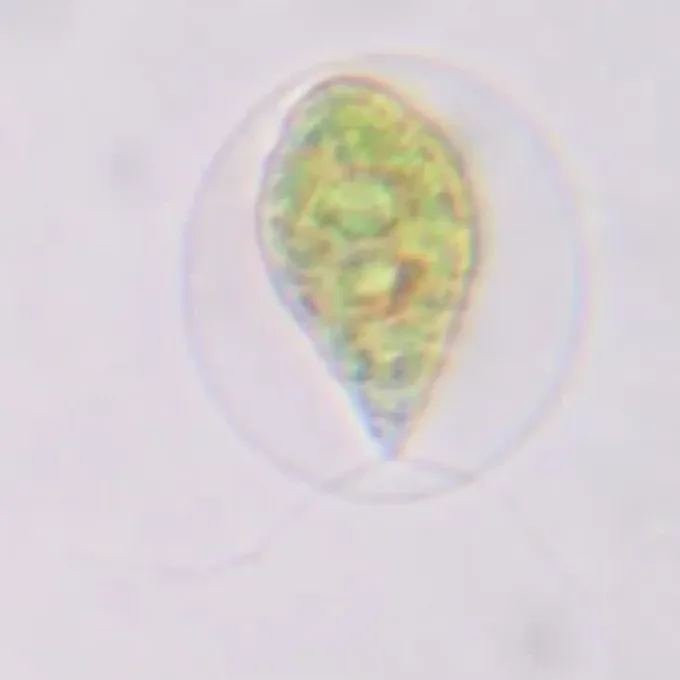
Haematococcus (Haematococcus pluvialis) is a unicellular freshwater microalga belonging to the family Haematococcaceae. It is globally recognized for its ability to produce high levels of astaxanthin, a valuable ketocarotenoid, when subjected to environmental stress conditions.
Naturally, this species is found in temporary freshwater pools and small water bodies. In agricultural practice, cultivation occurs within sophisticated enclosed photobioreactors or controlled open-pond systems to ensure the purity and biological consistency of the harvest.
The cultivation process requires a strict temperature control (20–25°C) and high light intensity to support the photosynthesis cycle. Water quality and nutrient balancing, specifically the ratio of nitrogen and phosphorus, are critical to optimize the growth rates before inducing pigment accumulation.
The agricultural cycle is divided into a vegetative phase and a stress phase. During the vegetative phase, the cells thrive and reproduce rapidly. In the stress phase, nutrient starvation or extreme light exposure triggers the encystment of cells, turning them red as they store astaxanthin.
The primary economic use is the extraction of natural astaxanthin, which serves as a premium feed additive for shrimp and fish farming, and as a potent antioxidant ingredient in human dietary supplements and high-end skincare formulations.
Main diseases and pests
The most significant threat to Haematococcus cultures is contamination by protozoa, such as ciliates and rotifers, which can consume an entire biomass culture within a few days if the systems are not strictly monitored.
Fungal pathogens and certain viral infections pose risks, particularly in large-scale open systems where environmental conditions are harder to maintain in a sterile state, leading to massive biomass crashes.
Bacteria contamination often arises from nutrient imbalances or improper handling of media, leading to competition for essential minerals and the release of metabolic waste that inhibits algal growth.
Light-induced oxidative stress, if not properly regulated, can destroy the cell structures instead of promoting astaxanthin synthesis, leading to high cellular mortality rates.
Preventive measures include the implementation of rigorous air filtration systems, UV water sterilization, and the use of dedicated laboratory-grade inoculums to ensure culture stability.