
Hackelochloa granularis
Hackelochloa granularis
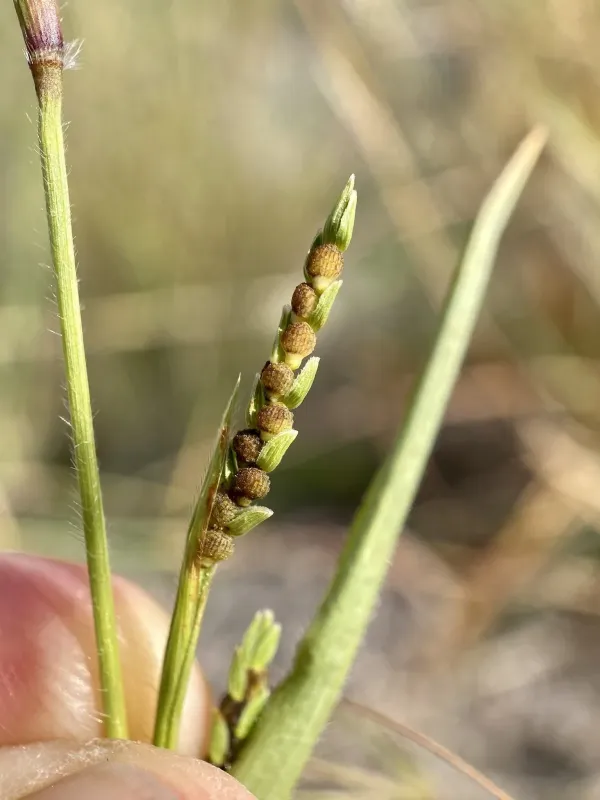
Description
Sowing dates
Hackelochloa granularis is an annual grass species belonging to the Poaceae family, widely known for its ability to thrive in tropical and subtropical environments. Sowing usually occurs at the onset of the rainy season to capitalize on soil moisture.
The seeds are relatively small and require a finely prepared seedbed. Surface sowing or shallow burial at a depth of 1 centimeter is recommended to ensure optimal germination rates under sunlight.
In field production, row planting is standard practice to facilitate potential mechanical weeding. A density that balances individual plant development with weed suppression is ideal for this specific grass species.
Warm temperatures are essential for successful sowing, as the plant is sensitive to cold soil. Temperatures above 25 degrees Celsius significantly boost the germination rate and initial establishment speed.
Proper water management during the first two weeks post-sowing is critical. Once the root system is established, the plant demonstrates improved resilience to varying moisture levels.
Growing requirements
This grass is a sun-loving species that demands high levels of solar radiation for vigorous growth. It is best suited for open fields where shading from trees or larger crops is minimal.
Regarding soil preferences, it performs best on loamy or clay-loam soils that maintain good structure. While it can handle periodic flooding, well-drained conditions promote better health and structural stability.
Soil nutrient status is a significant factor in biomass production. Nitrogen fertilization at the early vegetative stage can drastically increase the total yield of the forage.
The species shows considerable tolerance to varied pH levels, though a neutral to slightly acidic range is generally optimal for nutrient uptake and overall development.
Climate-wise, the plant is adapted to tropical regions with alternating wet and dry periods, demonstrating a strategy of fast growth during favorable weather conditions.
Main diseases and pests
The main threats to the health of this culture include fungal pathogens which can affect the foliage during periods of stagnant air and high humidity levels.
Insect pests such as aphids and grass-eating caterpillars represent significant risks. If left unmanaged, these pests can quickly defoliate the crop, leading to substantial yield losses.
Root rot becomes a concern in poorly drained soils, particularly if the crop is exposed to extended periods of excessive moisture, which weakens the plant's defense mechanisms.
Integrated pest management is recommended, focusing on maintaining optimal spacing between plants to enhance airflow and using bio-friendly controls when early infestations are spotted.
- Fungal leaf spots
- Aphid infestations
- Stunting due to poor soil aeration
- Competitive pressure from invasive broadleaf weeds
Harvesting
Forage harvesting is most efficient during the early flowering stage. This timing captures the ideal balance between crude protein content and digestible fiber for livestock consumption.
Seed collection requires careful timing to prevent losses due to shattering. Harvesting should be performed as soon as the grains reach maturity and begin to change color.
The plant possesses a good ratoon capacity, meaning it can regrow multiple times after cutting if environmental conditions remain favorable and nutrient levels are replenished.
Mechanical harvesting equipment should be set to a low profile, given the plant's growth habit. Proper post-harvest handling includes rapid curing to prevent mold development in bales.
Storage of the harvested material must be in dry, ventilated areas to maintain quality. Regular monitoring for moisture content is essential to prevent degradation during the storage period.