
Gyrostemon ramulosus
Gyrostemon ramulosus
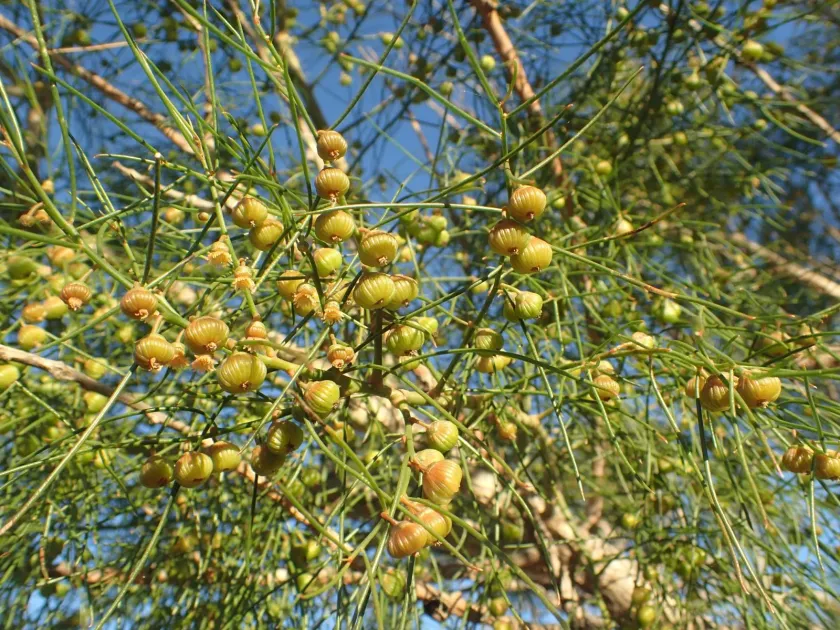
Description
Growing requirements
Gyrostemon ramulosus is a member of the Gyrostemonaceae family, native to the arid and semi-arid regions of Australia. This plant is uniquely adapted to survive in extreme environmental conditions with very limited water availability.
The plant typically grows as a shrub or a small tree. Its primary adaptation involves a complex root system and modified leaves designed to minimize water loss through transpiration, making it an excellent candidate for xeriscaping.
Successful cultivation requires extremely well-drained, sandy, or stony soils. The plant is highly intolerant of waterlogging, which quickly leads to root decay and the death of the specimen in most soil types.
The species thrives in areas with high solar radiation and low relative humidity. It requires full sun exposure for healthy development, as shading often leads to stunted growth and increased susceptibility to diseases.
Soil nutrient requirements are relatively low, mirroring the natural conditions of the Australian outback. Excessive fertilization can prove detrimental, often causing nutrient toxicity or rapid decline in health.
Yield
Currently, Gyrostemon ramulosus is not classified as a major industrial crop. There is no standardized data on yield production, as its development is mostly localized to botanical and ecological research.
Potential agricultural applications include soil stabilization and remediation of degraded arid lands. The plant's ability to thrive in challenging environments makes it a candidate for sustainable land management.
Some studies suggest potential interest in the phytochemical properties of the plant, including secondary metabolites that may have industrial or pharmacological applications in the future.
Propagation methods for commercial scale are still being developed. Seed germination often requires specific environmental triggers, such as heat shocks, which simulate natural bushfire cycles.
Future agricultural productivity will depend on successful selection of genotypes that perform well in controlled environments and provide consistent vegetative growth.
Main diseases and pests
The primary threat to the species under cultivation is fungal infection of the roots, specifically caused by poor soil drainage. High humidity combined with soil moisture is the leading cause of mortality.
Pest management involves monitoring for specific insects that feed on the foliage of species within the Gyrostemonaceae family. Local insect populations may pose a threat if introduced into new environments.
Weakened plants are susceptible to various crown rots. Prevention is the key strategy, emphasizing the importance of site selection and maintaining an open, airy environment around the plant base.
Environmental stress, such as unseasonal frost or prolonged saturation, can significantly compromise the plant's structural integrity, making it easier for secondary pathogens to colonize the wood.
Proper sanitation in the nursery and field is essential to control the spread of any accidental infections, ensuring the long-term health of the crop in a controlled setup.