
Longevity spinach
Gynura procumbens (Lour.) Merr.
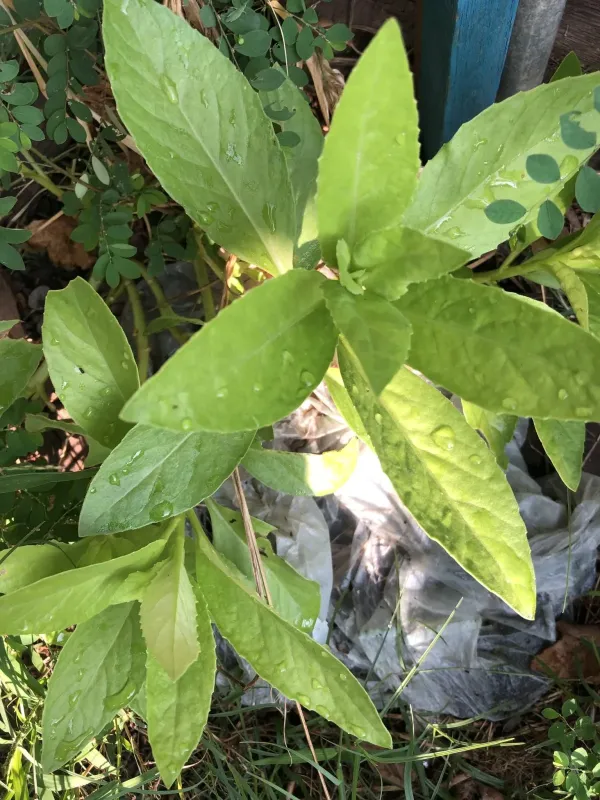
Description
Sowing dates
Gynura procumbens is a perennial plant typically propagated through vegetative methods, as it produces viable seeds rarely in cultivation. The most effective way to start a new crop is by using stem cuttings, which root easily in moist, well-aerated substrates or water.
The optimal time for propagation is during the active growing season, ideally in the spring, to allow the plants to establish a robust root system before the onset of extreme weather. Cuttings should be approximately 10–15 centimeters long with at least two or three nodes.
For those using nursery techniques, high humidity and consistent temperatures are essential for the rapid development of new plantlets. Maintaining a clean environment prevents the development of pathogens during the sensitive rooting phase.
Transplanting to the field or permanent containers should occur once the risk of frost has completely passed. As a tropical species, it requires a stable, warm climate to achieve maximum growth potential and biomass production.
In greenhouse settings, planting can be continuous throughout the year, provided that temperature and lighting requirements are met. This allows for a consistent cycle of crop replacement and steady supply for market demands.
Growing requirements
Belonging to the Asteraceae family, this species thrives in tropical climates and requires specific soil and environmental conditions. It prefers fertile, well-draining soils with a neutral pH, enriched with organic compost to support vigorous leafy growth.
The plant requires bright, indirect sunlight. While it can tolerate some shade, direct exposure to intense noon sun can result in leaf scorching. Proper spacing is essential to ensure adequate air circulation, which is crucial for preventing fungal issues.
Watering management is vital: the soil should be kept consistently moist but never waterlogged. Poor drainage is the most common cause of root rot, which can devastate a plantation within a short period if not properly managed.
The temperature range of +20°C to +28°C is ideal for metabolic processes. Growth is severely restricted below +10°C, and exposure to frost will kill the aerial parts of the plant immediately. Therefore, climate control is a priority for commercial production.
Nitrogen-rich fertilizers are recommended to boost the yield of foliage. Integrated nutrient management, combined with maintaining high ambient humidity, will ensure that the plants produce succulent, high-quality leaves throughout the season.
Yield
The yield of Longevity Spinach is primarily measured by the weight of the fresh foliage harvested. Frequent pruning acts as a stimulant for the plant, encouraging it to produce new lateral branches and increasing total output significantly.
In a controlled greenhouse environment, producers can achieve multiple harvests per year. Proper management of the light spectrum and nutrient delivery systems can drastically improve leaf density and nutritional concentration in the crop.
Productivity is also linked to the age of the stand. Younger, actively growing plants generally yield more tender leaves than older, woodier specimens. Rotation of planting stock every 12–18 months is recommended to maintain top production levels.
Harvesting efficiency is improved by utilizing uniform planting beds that allow for mechanized or semi-mechanized cutting. This reduces labor costs while maintaining the hygiene standards required for fresh-market produce.
Yields are highly sensitive to environmental stress. Any deviation from the optimal temperature or light conditions will reflect in the leaf size and overall biomass, highlighting the importance of precision agriculture in growing this crop.
Main diseases and pests
Common pests for this crop include aphids, spider mites, and whiteflies. These insects can quickly colonize plants in greenhouse conditions. Biological control methods, such as the introduction of predatory insects, are preferred over chemical pesticides.
Powdery mildew represents the most significant fungal threat, especially in areas with stagnant air and high humidity. It manifests as a white, dusty layer on the leaves, which significantly decreases the marketability and quality of the spinach.
Root rot caused by Phytophthora or Pythium species is a constant risk in poorly drained soil. Early symptoms include drooping leaves despite moist soil and dark discoloration at the base of the stems, which calls for immediate removal of affected plants.
Proactive management includes regular monitoring and sanitation. Removing dead or diseased foliage immediately helps in containing localized outbreaks and keeps the overall plantation healthier for a longer duration.
Because the plant is consumed as a leafy vegetable, strict adherence to integrated pest management (IPM) guidelines is necessary to ensure safety and residue-free produce, making natural alternatives the best choice for pest control.
Harvesting
Harvesting involves cutting the tender terminal shoots and leaves. The best time for harvest is early in the morning when the water content is highest, ensuring that the produce stays fresh and crisp during transport and storage.
Selective harvesting is crucial; it involves taking only the desired amount of biomass while leaving the lower nodes intact to facilitate regrowth. Proper cutting techniques ensure the plant remains productive for consecutive harvest cycles.
After collection, the leaves should be handled with care to prevent bruising. Rapid cooling and correct packaging are essential for maintaining the quality of the product, as the leaves are highly perishable in high-temperature conditions.
Cleaning the harvest of any yellow or spotted leaves is necessary before shipping to ensure only the highest grade of foliage reaches the consumer. This sorting process ensures consistency and premium pricing for the final product.
The frequency of harvesting is dictated by the plant's regrowth rate, which depends on local growing conditions. In intensive production systems, a turnaround time of 3–5 weeks is common, allowing for high throughput and sustainable crop management.