
Gymnosporia diversifolia
Gymnosporia diversifolia Maxim.
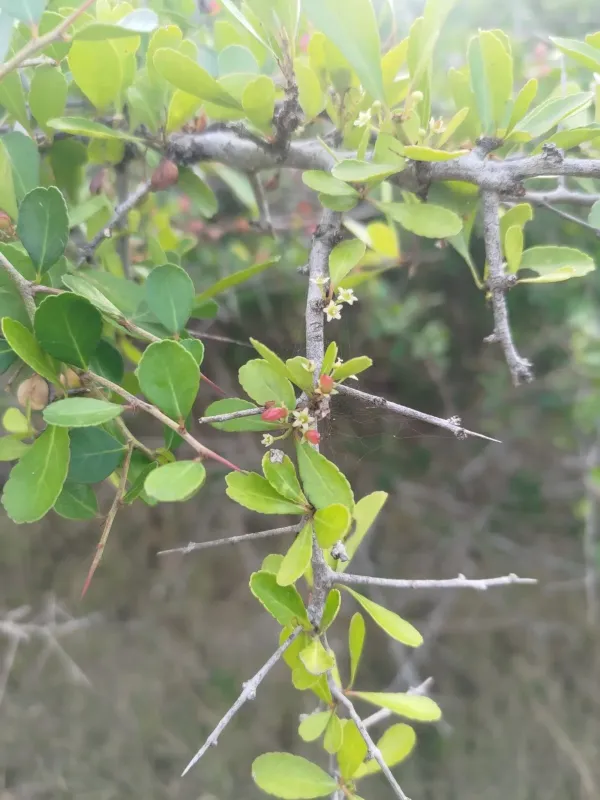
Description
Growing requirements
Gymnosporia diversifolia is a hardy shrub species belonging to the Celastraceae family. It is recognized for its distinct foliage and architectural form, making it a valuable subject for landscaping and botanical collections in temperate to warm regions.
The plant thrives in full sun exposure but can tolerate partial shade during the hottest parts of the day. It is essential to protect young specimens from frost and harsh winds, as these can damage the tender terminal shoots during the winter dormancy period.
Well-drained, nutrient-rich soil is a prerequisite for healthy growth. Sandy or loamy soils are ideal, provided they are managed to avoid long-term water retention, which can be detrimental to the root system of this species.
Maintenance involves regular watering during the active growing season to ensure consistent moisture levels. However, once established, the plant demonstrates moderate drought tolerance, which makes it suitable for integrated landscape designs.
Fertilization should be applied sparingly, ideally in early spring, using slow-release balanced nutrients to support vigorous leaf development. Proper pruning practices are vital to maintain the desired shape and promote a healthy internal structure of the shrub.
Main diseases and pests
The primary pest concerns for this plant include spider mites and aphids, which are particularly active during dry, hot spells. Frequent inspection of the foliage is recommended to catch infestations before they affect the overall plant vigor.
Fungal pathogens such as leaf spot can occur if the plant is grown in areas with poor ventilation. To prevent these infections, it is crucial to ensure adequate spacing between individual plants and to avoid overhead irrigation that keeps the leaves damp for extended periods.