
Gymnocoronis spilanthoides
Gymnocoronis spilanthoides
Description
Growing requirements
Gymnocoronis spilanthoides is an emergent aquatic plant belonging to the Asteraceae family. It is widely recognized for its vibrant green foliage and its ability to grow both submersed and emersed, making it a favorite choice for aquarium enthusiasts and pond gardeners alike.
Originating from South America, specifically countries like Brazil, Argentina, and Paraguay, the plant is naturally adapted to moist, tropical environments. Because of its vigorous growth, it has become a well-known species in various wetland ecosystems, where it thrives along riverbanks and in swampy areas.
The cultivation requirements are focused on high light intensity and nutrient-rich substrate. While it is adaptable to various water parameters, providing consistent lighting and a regular supply of essential macro and micronutrients is crucial for maintaining its lush, dense appearance.
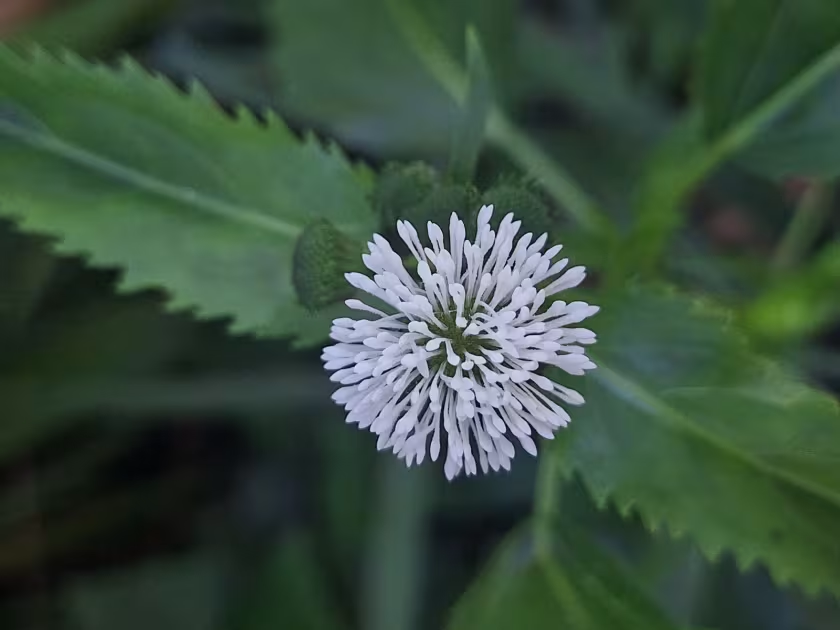
Botanically, it features serrated, lance-shaped leaves and produces white, fragrant flowers when grown in emersed conditions. Its structure allows it to provide vital cover for aquatic life, making it a functional component of a healthy, balanced water ecosystem or large planted aquarium.
The primary use of Gymnocoronis spilanthoides is within the ornamental sector. It is commonly used as a background plant in aquascaping, where its rapid growth rate helps to quickly establish a lush green backdrop, improving both the visual aesthetics and the biological stability of the tank.
Main diseases and pests
One of the main challenges in maintaining Gymnocoronis spilanthoides is preventing stem rot, which can occur if the substrate becomes anaerobic or if water circulation is insufficient. Ensuring proper water movement helps deliver nutrients to the roots and prevents dead spots.
Algal blooms can also pose a significant threat to the plant's health. When algae growth is aggressive, it competes with the plant for nutrients and light, often covering the leaves and inhibiting photosynthesis, which requires immediate corrective maintenance like water changes.
Herbivory from certain species of snails or fish can cause physical damage to the leaves, leading to stunted growth. If the plant shows signs of being consumed too quickly, it is recommended to adjust the feeding habits of the inhabitants or provide alternative sources of vegetation.
Nutrient deficiency is another common threat, often manifesting as stunted leaves or chlorosis. Regular testing of the water for nitrate, phosphate, and iron levels is recommended to ensure the plant has the necessary resources to sustain its rapid biomass production.
To keep the plant thriving, proactive maintenance including regular pruning is essential. By removing older stems, growers can promote new, vigorous shoots and ensure the plant does not outgrow its designated space or deplete resources required by other species in the same environment.